What Is Food in Packaging and Why Is It Important?
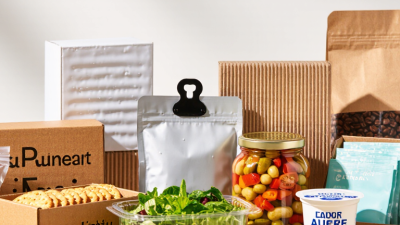
Food in packaging is more than a meal sealed inside plastic, glass, metal, or paper. It is a carefully managed relationship between food, materials, machinery, workers, and consumers. This relationship protects freshness, reduces contamination risks, supports transport, and communicates essential information.
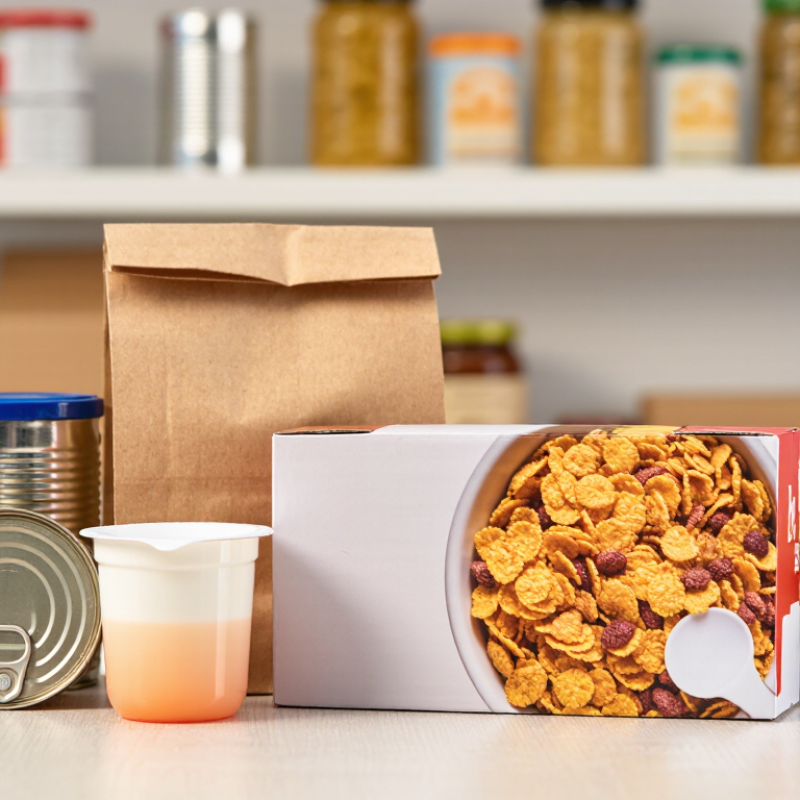
Packaging scholar Dr. Susan E. M. Selke has described packaging as “the art, science, and technology of enclosing and protecting products for distribution, storage, sale, and use.” Her statement helps explain why food packaging deserves serious attention. A yogurt cup must resist pressure, preserve texture, and remain safe after refrigeration. A cereal box must protect fragile flakes from moisture and impact. Small details matter.
Good food in packaging begins with evidence, not attractive design alone. Manufacturers assess barrier performance, seal strength, temperature exposure, migration risks, and shelf-life data. They also consider how consumers open, store, and discard each package. A package that prevents spoilage but creates unnecessary waste is not a complete success. That balance remains difficult.
There are trade-offs.
Paper may look sustainable, yet it often needs coatings for moisture protection. Lightweight plastic can reduce transport emissions, but recycling systems may not accept every format. These realities require careful testing and honest communication. Claims should match verified results, not marketing optimism.
This article explores what food in packaging means, why it matters, and how responsible choices affect safety, quality, convenience, and environmental performance. Some answers are clear. Others still need improvement.
Definition of Food in Packaging
Food in packaging means food placed inside a designed container, pouch, tray, bottle, or wrapper. The package touches the food directly or protects it through an inner layer. Its purpose is more than holding contents. It helps prevent moisture, oxygen, dust, light, and physical damage from reaching the food. A sealed container of soup, for example, should remain stable during filling, transport, storage, and opening. The packaging also communicates essential details, such as ingredients, allergens, weight, storage conditions, and use-by information. These details support safer decisions at home and in food businesses.
Definition matters because packaging becomes part of the food system. A suitable material must be compatible with the food, especially when the food is oily, acidic, frozen, or heated. Food-contact materials should meet applicable safety requirements and remain stable during normal use. In practical inspections, small defects can matter. A weak seal may allow air inside. A cloudy package may hide changes in appearance. A confusing label can also lead to poor storage. Packaging can protect food effectively, yet it may create unnecessary waste. That tension deserves honest attention. I once viewed packaging mainly as a barrier. That view was incomplete. It is also a safety tool, an information surface, and a factor in food quality. Some designs still need improvement.
Key Functions of Food Packaging
What Is Food in Packaging and Why Is It Important?
Key Functions of Food Packaging
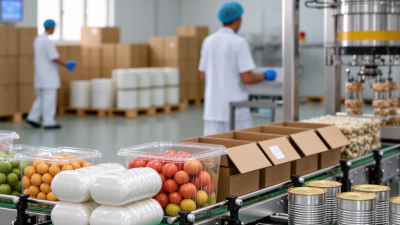
Food packaging does more than hold food. It contains products, prevents leakage, and protects them from crushing, moisture, oxygen, light, and contamination. A sealed tray can keep sliced produce clean, while a high-barrier pouch can slow oxidation in dry foods. In practical packaging trials, teams often check seal strength, drop resistance, temperature tolerance, and shelf-life performance. Small failures matter. One weak seal can spoil an entire shipment.
Packaging also supports preservation and distribution. According to the FAO’s State of Food and Agriculture 2019, about 14% of food is lost between harvest and retail globally. Suitable packaging can reduce bruising, dehydration, and exposure during storage and transport. The UNEP Food Waste Index Report 2024 estimated that 1.05 billion tonnes of food were wasted in 2022 across retail, food service, and households. Packaging cannot solve this alone, but better portion sizes, resealable closures, and clearer date information may prevent avoidable waste.
It communicates, too. Labels provide ingredients, allergens, nutrition details, storage instructions, and traceability information. These details support safer handling and more informed choices. Packaging also improves stacking and inventory control, reducing damage in warehouses. Yet no package is perfect. More material may extend shelf life but increase environmental pressure. Less material may lower resource use but weaken protection. That trade-off needs testing, evidence, and honest review rather than simple claims.
Common Types of Food Packaging Materials
What Is Food in Packaging and Why Is It Important?
Food packaging protects products from moisture, oxygen, light, impact, and contamination. It also controls portion size and supports safe handling. The Food and Agriculture Organization reported that about 14% of food is lost between harvest and retail. Suitable packaging cannot solve every loss, but poor packaging can accelerate it. A crushed carton, leaking pouch, or loose seal may damage food before sale.
Common packaging materials include paperboard, plastic, glass, metal, and flexible laminates. Paperboard works well for dry foods, cereals, and frozen cartons. Plastic offers light weight, strong seals, and useful barrier properties. Glass provides chemical stability and product visibility, but it is heavy and breakable. Metal cans withstand heat processing and protect food from light and oxygen. Flexible laminates use thin material layers, although recycling can be difficult when those layers cannot separate. No material wins every test.
Material choice should match the food, storage temperature, distribution distance, and expected shelf life. The OECD’s Global Plastics Outlook states that packaging created 40% of global plastic waste in 2019. That figure demands better design, not simplistic material switching. The UNEP Food Waste Index Report 2024 estimated 1.05 billion tonnes of food waste in 2022. A recyclable pack may still fail if it leaks. A lightweight pack may still create recovery problems. Practical evaluations should measure protection, resource use, recyclability, and real collection conditions together. Perfect packaging remains unlikely. Better decisions require honest trade-offs.
How Packaging Protects Food Quality and Safety
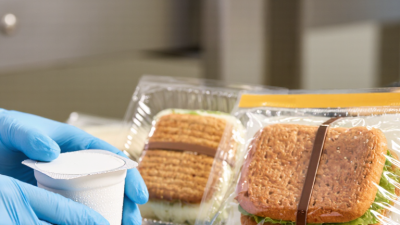
Food packaging is more than a container. It is a physical barrier that helps protect food from oxygen, moisture, light, microbes, pests, and crushing. A sealed pouch can slow oxidation, while a rigid tray can prevent bruising during transport. These details directly support food quality and safety.
The need is substantial. The FAO’s 2019 report estimated that 14% of food is lost between harvest and wholesale. The UN Environment Programme reported that 1.05 billion tonnes of food were wasted in 2022. Suitable packaging can extend shelf life and reduce damage, but it cannot repair poor hygiene or unsafe processing. The WHO estimates that contaminated food causes about 600 million illnesses annually. Packaging therefore works as one control point within a larger safety system. Seal strength, correct temperature, material compatibility, and traceability all matter. A tiny seal wrinkle may allow air or bacteria to enter. No package is perfect. Overconfidence can be dangerous.
Tips: Choose packaging designed for the food’s moisture, fat, acidity, and storage temperature. Check seals, dents, leaks, and swollen containers before use. Follow the printed storage instructions. Keep raw foods separate from ready-to-eat items. Review performance data, not just appearance. Even a package that looks clean may have lost its protective barrier.
How Packaging Helps Protect Food Quality and Safety
Packaging helps prevent contamination, limits moisture and oxygen exposure, and keeps food covered during refrigerated storage. The chart shows official recommended refrigerator storage ranges for selected foods when properly packaged or covered.
Source: FoodSafety.gov, Cold Food Storage Chart. Storage times assume a refrigerator at 40°F (4°C) or below.
Environmental and Practical Importance of Food Packaging
What Is Food in Packaging and Why Is It Important?
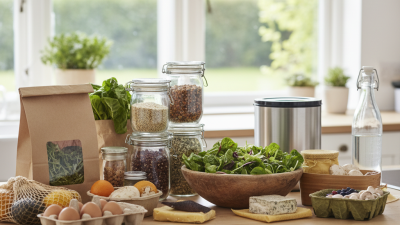
Food packaging serves both practical and environmental purposes. It protects food from moisture, oxygen, light, dirt, and physical damage. A tight seal can keep bread soft, berries clean, and frozen food stable during transport. That protection matters.
Good packaging can also reduce food waste. Spoiled food usually wastes more resources than its container, including water, energy, labor, and farmland. However, packaging creates its own environmental burden. Plastic, paper, glass, and metal require different amounts of energy and raw materials. A lightweight package may lower transport emissions, but it can be difficult to recycle. A heavier container may be reusable, yet its production and transport can demand more energy.
The most responsible choice depends on the entire life cycle. Designers must consider material extraction, manufacturing, storage, transport, use, and disposal. Clear recycling instructions help, but local recycling systems remain inconsistent.
I once assumed that recyclable packaging was automatically sustainable. That view was too simple. A package can be technically recyclable but rarely accepted by local facilities. Food safety also limits material choices, especially for oily, wet, or highly perishable foods. Practical testing should examine leaks, broken seals, storage temperatures, and consumer habits. Small design changes can reduce waste, though no solution is perfect.