10 Best Food Industry Packaging Suppliers Worldwide
Choosing the right supplier can shape a food brand’s safety, shelf life, cost, and public reputation. This matters because food industry packaging does more than hold a product. It protects flavor, controls moisture, supports transport, and communicates trust at the point of sale.
As food packaging expert Dr. Aaron L. Brody stated, “Packaging is the product.” His observation remains practical today. A leaking pouch, weak seal, or poorly designed carton can damage food and customer confidence. Even attractive packaging can fail when it ignores temperature changes, warehouse handling, or recycling limits.
This guide examines ten leading food industry packaging suppliers worldwide. The review considers material performance, manufacturing capacity, innovation, food-contact controls, customization, and service reliability. It also considers evidence, including certifications, technical documentation, testing practices, and customer experience.
No supplier is perfect.
A large global company may offer dependable volume but less flexibility. A smaller specialist may provide better collaboration but face capacity constraints. These trade-offs deserve honest attention. Sustainability claims also require careful reading, because recyclable packaging is not automatically recycled everywhere.
The strongest suppliers combine engineering discipline with practical food knowledge. They understand that a thin film touches a fresh salad, a rigid tray protects prepared meals, and a closure must survive repeated handling. Their value appears in measurable details, not impressive promises alone. This introduction sets the context for comparing companies that help food producers protect products, meet market expectations, and improve packaging decisions.
Defining the Global Food Packaging Supplier Landscape
The global food packaging supplier landscape is broader than a list of ten leading companies. It includes converters, material specialists, equipment partners, and regional manufacturers serving different food categories. A supplier may excel in flexible films, yet struggle with rigid containers or high-speed filling lines. That distinction matters.
Reliable evaluation begins with food-contact compliance, traceability, and production consistency. Documentation should identify material grades, migration testing, batch controls, and approved manufacturing sites.
Buyers should also inspect sample seals, thickness variation, print quality, and pallet protection. Small defects can become serious problems during transport. It is not simple.
The strongest suppliers combine technical capability with dependable logistics. They may provide high-barrier pouches for roasted foods, lightweight trays for fresh produce, or temperature-resistant containers for prepared meals. Their networks should support multiple regions without weakening quality control. Lead times, minimum order quantities, emergency capacity, and local technical support deserve equal attention. Costs shift.
Sustainability claims require careful review. Recyclability depends on collection systems, material structure, inks, adhesives, and regional rules. A thinner package is not automatically better if it increases food waste. Supplier assessments should compare life-cycle data, recycled content, energy use, and actual recovery options. No ranking stays perfect. Market conditions change, regulations evolve, and even experienced procurement teams can overlook a weak backup supplier. The landscape is best understood through verified performance, transparent evidence, and repeated factory-level checks.
Criteria for Evaluating Food Industry Packaging Companies
Evaluating food industry packaging suppliers requires more than comparing prices. Examine their experience with products similar to yours, including frozen meals, fresh produce, or dry ingredients. Ask for production samples, not polished photographs. Check seal strength, barrier performance, print quality, and carton durability after transport. A package that performs well in a meeting room may fail in a humid warehouse.
Reliable suppliers provide clear food-contact documentation for each material and production site. Review test reports, quality certificates, allergen controls, and batch traceability records. Their answers should be specific, dated, and easy to verify. Audits should cover hygiene, pest control, worker training, and foreign-object prevention. Request evidence of corrective actions after previous nonconformities. Perfect records can look suspicious.
Capacity also matters. Compare normal output with peak-season demand, equipment maintenance plans, and backup production options. Assess delivery accuracy over several months, rather than trusting one successful shipment. Sustainability claims need measurable proof, such as recycled content, material reduction, or recovery rates. Ask whether these figures are independently verified. A lighter package is not automatically better if it tears during distribution. Communication deserves attention, too. Test response times with practical questions about a damaged pallet or urgent specification change. Small delays often reveal larger weaknesses. Evaluate the whole system, not just the sample.
Profiles of Ten Leading Packaging Suppliers Worldwide
The ten profiles examine leading food packaging suppliers across North America, Europe, and Asia. Each supplier is assessed through material safety, production consistency, technical support, and environmental reporting. Several specialize in high-barrier films for meat, dairy, coffee, and frozen foods. Others produce molded fiber trays, recyclable cartons, closures, or rigid containers. Their factories commonly use automated inspection systems to detect pinholes, weak seals, and uneven thickness. Small defects matter. A leaking pouch can damage an entire shipment.
The strongest suppliers usually provide documented food-contact compliance and batch traceability. They also test packaging under heat, moisture, pressure, and transport conditions. Some offer lightweight designs that reduce material use without weakening the seal. Others invest in recycled content, water-based inks, or mono-material structures. Regional expertise remains important, because recycling infrastructure differs widely between markets. Supplier experience can shorten trials, but it should not replace independent testing. No supplier is perfect. Cost pressure may still encourage thinner materials than a product safely allows. Buyers should review audit records, failure data, and delivery performance before signing long-term contracts. These ten profiles present useful comparisons, while leaving room for careful questioning and practical verification.
Packaging Solutions, Materials, and Industry Applications
The best food packaging suppliers worldwide do more than manufacture containers. They develop practical solutions for safety, shelf life, branding, and transport. Their teams usually combine material science, food engineering, and production experience. A reliable supplier can recommend the right structure for frozen meals, bakery goods, fresh produce, or liquid foods. The choice depends on temperature, moisture, oxygen exposure, filling speed, and distribution distance.
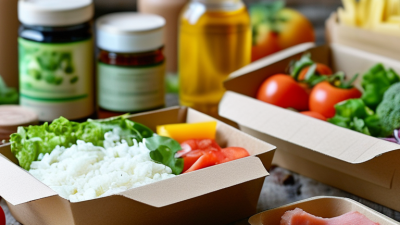
Common materials include paperboard, corrugated fiber, glass, metal, and flexible films. Each material serves a different purpose. Paperboard supports rigid cartons and printed sleeves. Corrugated fiber protects cases during warehouse handling. Glass offers strong barrier performance and product visibility. Flexible films reduce weight, but recycling systems may not accept every multilayer design. That limitation matters.
Packaging solutions must also fit real production lines. A technically excellent pouch can fail if sealing varies at high speed. A beautiful carton may waste space on pallets. Suppliers should provide sample testing, migration documentation, traceability records, and clear quality controls. They should also understand food-contact requirements in each destination market. Compostable materials can sound attractive, yet they need suitable collection conditions. Sometimes the greener option is not the most practical one. Better decisions come from measured trials, not confident promises.
How to Select the Right Global Food Packaging Supplier
Selecting a global food packaging supplier requires more than comparing unit prices. Start with product protection. The supplier should understand moisture, oxygen, light, temperature, and transport stress. FAO’s State of Food and Agriculture 2019 report estimates that 13.2% of food is lost between harvest and retail. Appropriate packaging can reduce part of that loss, but only when tested for the actual supply chain.
Ask for documented controls covering raw materials, allergen management, traceability, hygiene, and recall procedures. A supplier aligned with HACCP principles and certified food-safety systems offers stronger evidence than attractive marketing claims. Request recent audit findings, corrective-action records, and batch-level documentation. Do not accept certificates without checking their scope and expiration dates.
Sustainability needs equal scrutiny. The OECD’s Global Plastics Outlook reports that packaging represented about 40% of global plastic waste in 2019. Compare recycled content, material weight, recyclability, and end-of-life conditions in each target market. “Recyclable” may mean little where collection infrastructure is weak. Ask for lifecycle data, not vague environmental promises. Capacity matters too: review lead times, backup sites, minimum order quantities, and performance during seasonal demand. A polished presentation can still hide weak contingency planning. No scorecard is perfect. Recheck critical claims through samples, plant audits, and independent testing before signing a global supply agreement.