What Is Hygienic Food Packaging and Why Is It Important?
Hygienic food packaging protects food from contamination during processing, transport, storage, and handling. It is more than a clean-looking wrapper. It is a controlled barrier between food, workers, equipment, moisture, oxygen, microbes, and physical damage. A sealed yogurt cup, for example, must remain intact from the filling line to the consumer’s refrigerator.
Food-packaging expert Gordon L. Robertson describes packaging as “an integral part of the food system, not an afterthought.” His observation explains why hygienic food packaging begins before sealing. Material selection, equipment design, sanitation procedures, employee training, and temperature control must work together. A package can appear perfect while carrying hidden risks if its inner surface, seal, or production environment is poorly controlled.
This article explores what hygienic food packaging means and why it matters to public health, product quality, and business reliability. It considers protective materials, hygienic design, tamper evidence, traceability, and contamination prevention. These features support safer food and longer shelf life, but they are not magical solutions. Packaging cannot correct unsafe ingredients or careless handling. That point deserves attention.
Real packaging systems also face difficult trade-offs. Thicker materials may improve protection but increase resource use. Lightweight designs may reduce waste yet weaken seals or durability. Manufacturers must test these choices under realistic conditions, including vibration, humidity, temperature changes, and repeated handling. Consumers also have a role. Damaged, swollen, leaking, or poorly sealed packages should raise immediate concern. Safety depends on the entire chain. Sometimes, that chain is less perfect than industry language suggests.
What Hygienic Food Packaging Means
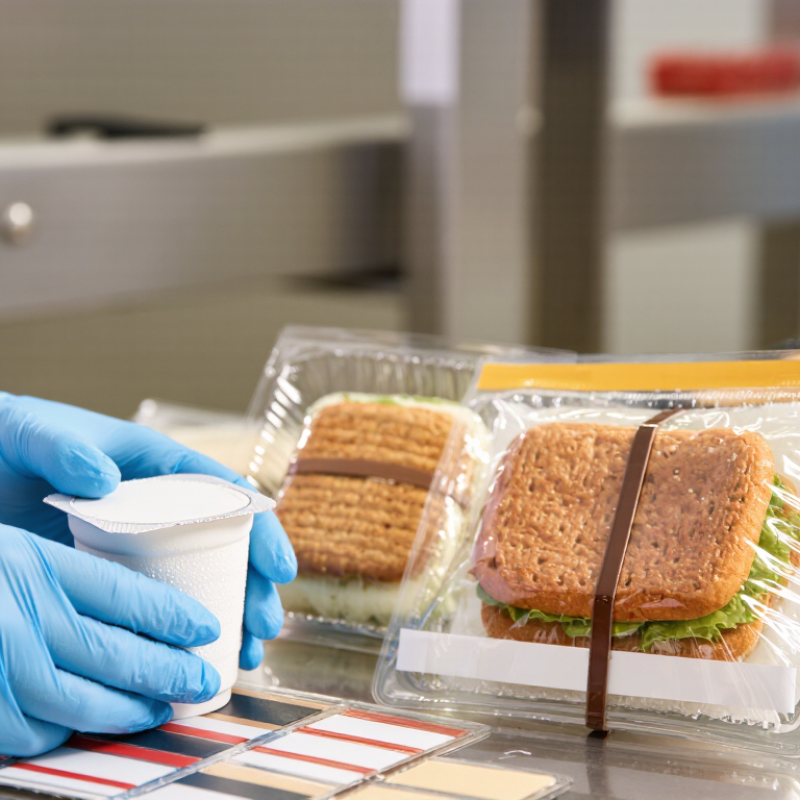
Hygienic food packaging means more than a clean-looking wrapper. It is a controlled barrier between food, workers, equipment, and the outside environment. The packaging material should be suitable for food contact, stable during storage, and free from harmful transfer. Its design also matters. Smooth surfaces, secure seals, and easy-to-clean production areas reduce places where contamination can hide.
In practical food production, hygiene begins before filling. Staff inspect materials, wash equipment, and control dust, moisture, and temperature. A sealed tray, pouch, or carton should protect food from microbes, chemicals, foreign particles, and unnecessary oxygen. Testing can check seal strength, leakage, migration, and shelf-life performance. Traceable batch records add reliability when a problem appears.
Small details often decide whether protection works. A pinhole may be invisible. A weak seal may open during transport. Clean packaging can still become unsafe through careless handling. This is where practice can differ from theory. Procedures may look complete, yet rushed inspections still create risk. Hygienic packaging therefore depends on validated materials, trained people, monitored conditions, and honest records. It is not perfect by itself. Regular review remains necessary.
How Hygienic Packaging Prevents Food Contamination
Hygienic food packaging protects food from contamination during filling, transport, storage, and opening. It creates a controlled barrier against dust, moisture, microbes, insects, and harmful chemicals. Clean packaging matters. However, packaging cannot repair unsafe food or poor handling.
In a well-managed packing area, workers inspect materials before use. They check for damaged seals, unusual odors, moisture, and visible particles. Packaging surfaces should remain away from floors and unclean equipment. Strong seals reduce exposure to air and hands. Tamper-evident features also show whether someone opened the package earlier. For chilled foods, suitable packaging helps maintain temperature by reducing leaks and unnecessary exposure.
Material selection requires practical knowledge.
Some foods need oxygen barriers, while others need protection from light or moisture. A package must also match the filling process. Excessive pressure can weaken a seal. Tiny wrinkles may create hidden openings. Regular checks, documented cleaning, and traceable production records support reliable food safety decisions.
No package is flawless. A clean-looking container may still have microscopic damage. I have found that simple visual checks are useful, but they should not replace validated procedures. Staff training, sanitation controls, and appropriate testing work together. Even a strong package can fail when storage conditions are ignored or the seal is handled carelessly.
Production, Handling, and Storage Safety Requirements
Hygienic food packaging protects food from contamination during production, handling, and storage. It is more than clean-looking material. Packaging must be suitable for food contact, strong enough for transport, and free from harmful residues. In a well-managed facility, workers inspect packaging before use. They check seals, surfaces, dust, moisture, and damaged edges. Small defects can become serious risks.
Production areas need controlled movement and clear hygiene routines. Employees should wash and dry their hands before touching packaging or exposed food. Clean gloves can help, but they do not replace handwashing. Equipment should be cleaned according to written procedures, with records showing what was cleaned and when. Temperature, humidity, and pest controls also matter. A food safety manager may follow HACCP-based practices and verify critical controls through testing. Yet paperwork alone cannot reveal every problem.
Handling requires careful contact control. Packages should stay off the floor and away from chemicals, waste, and raw materials. During storage, use clean racks and leave space between goods and walls. Follow stock rotation dates. Keep chilled or frozen products within their required temperature ranges, and monitor them with calibrated devices. I have seen rushed loading damage cartons and weaken seals. That mistake deserves review, not excuses. Storage checks should record damaged packs, unusual odors, condensation, and temperature changes. When conditions are uncertain, isolate the affected lot until a qualified person assesses its safety.
Benefits and Environmental Considerations of Hygienic Packaging
What Is Hygienic Food Packaging and Why Is It Important?
Benefits and Environmental Considerations of Hygienic Packaging
Hygienic food packaging protects products from dust, microbes, moisture, oxygen, and physical damage. A well-designed seal keeps a prepared meal safe during filling, transport, and storage. In practice, packaging teams check seal strength, closure performance, and surface cleanliness. They also examine whether the material suits the food’s acidity, fat content, and storage temperature. Small failures matter. A loose seal can spoil an otherwise carefully prepared product.
The environmental benefits depend on the entire package lifecycle. Lightweight materials can reduce transport emissions and food waste. Preventing one spoiled meal may save more resources than using a slightly heavier package. However, recyclable packaging is not automatically sustainable. Local collection systems, sorting facilities, recycled content, and washing requirements all influence its real impact. There is no perfect format. A package may protect food well but remain difficult to recycle. That tension deserves honest review.
Tips: Choose the smallest package that safely protects the food. Check whether local facilities accept its material. Avoid unnecessary layers, inks, and oversized boxes. Test packaging under real storage conditions, including temperature changes and rough handling. Document results, not assumptions. Reassess the design when the product, supplier, or disposal route changes.