




Why Buy Powder Apple Cider Vinegar in Bulk?

Buying Powder Apple Cider Vinegar in bulk can support consistent production, predictable inventory, and lower packaging waste. It suits supplement brands, beverage manufacturers, bakeries, and households with regular usage. Unlike liquid vinegar, powder travels easily and stores neatly in sealed containers. A smaller warehouse footprint can make a noticeable difference.

Bulk purchasing may also improve cost control. Suppliers often offer better unit pricing when buyers order larger quantities. However, the lowest price should not decide everything. Product quality, ingredient purity, moisture control, and supplier reliability matter just as much. A damp powder can clump, lose convenience, and create unnecessary waste. That detail is easy to overlook.

Look for clear specifications, batch documentation, and suitable packaging. Reputable suppliers should explain the apple cider vinegar concentration, carrier ingredients, recommended storage conditions, and testing practices. Independent laboratory testing can provide stronger confidence in identity and safety. Buyers should also check whether the powder fits their intended recipe or formulation. Not every product performs the same way.

Start with a sample when possible. Test its flavor, dispersibility, texture, and shelf stability under real working conditions. This practical step may reveal problems that a product sheet cannot show. Bulk buying is not automatically the smarter choice. It becomes valuable when demand is steady, storage is appropriate, and quality remains consistent. A careful purchasing decision protects both budgets and customer trust. Small checks matter.
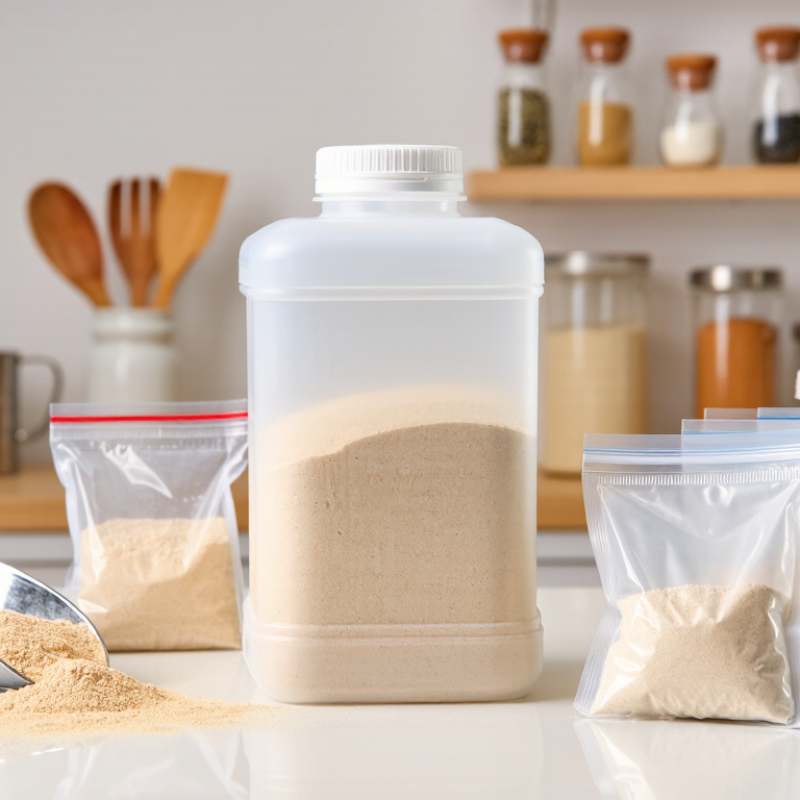
Why Buy Powder Apple Cider Vinegar in Bulk?

What Powder Apple Cider Vinegar Is and How It Is Made

Why Buy Powder Apple Cider Vinegar in Bulk?

Powder apple cider vinegar is liquid apple cider vinegar converted into a dry, stable ingredient. It usually contains acetic acid, apple-derived solids, and a drying carrier. The exact formula depends on the manufacturer and intended use. Some producers use spray drying, which turns fine liquid droplets into powder through controlled hot air. Others use different low-moisture methods. The process reduces water, simplifies storage, and creates an ingredient that blends easily into drink mixes, seasonings, and powdered foods.

Bulk purchasing can support consistent production and reduce repeated packaging. However, powder is not automatically equal to liquid vinegar. Acidity, moisture, solubility, carrier percentage, and flavor can vary significantly. A reliable supplier should provide a current specification sheet, certificate of analysis, allergen information, and clear storage guidance. I would also check whether the powder contains added sweeteners, flavors, or unnecessary fillers. It is easy to assume a sharper smell means higher quality. That assumption can be wrong.

Tips: Request a small sample before placing a bulk order. Test its taste, mixing speed, and performance in your actual formula. Store unopened powder in a cool, dry area. Reseal opened packaging quickly, because humidity can cause clumping. Ask how the apple vinegar is fermented and dried. “Natural” alone is not a complete quality standard. Compare the declared acetic acid level, not just the product name. Suppliers may use different testing methods, so matching specifications matters.

Key Benefits of Buying Powder Apple Cider Vinegar in Bulk

Buying powder apple cider vinegar in bulk can simplify purchasing for food manufacturers, bakeries, beverage developers, and supplement formulators. The powder is lighter and easier to portion than liquid vinegar. It also reduces spills, leaking bottles, and repeated trips for small supplies. In a busy workspace, that matters.

Cost control is another practical benefit. Larger orders often lower the price per kilogram and reduce packaging waste. However, bulk purchasing is not always cheaper.

Storage fees, unused stock, and moisture damage can erase the savings. A careful buyer should compare order size with monthly usage before committing.

Powder also supports consistent production. A measured scoop can deliver a repeatable amount across seasoning blends, drink powders, sauces, and snack coatings. Look for clear specifications, stable moisture levels, ingredient testing, and a certificate of analysis.

Store the powder in a cool, dry area with the container sealed tightly. Humidity can cause clumping and make accurate weighing difficult. A simple production log can track opening dates, batch numbers, and texture changes.

This small habit improves traceability and helps teams notice problems early. Some formulas may need adjustment because powder strength, acidity, and carrier ingredients vary between suppliers. Small pilot batches are worth the extra time.

How to Evaluate Quality, Purity, and Packaging Options

Buying apple cider vinegar powder in bulk only makes sense when quality remains stable across every lot. A certificate of analysis should report acetic acid equivalent, moisture, water activity, microbial counts, heavy metals, and pesticide residues. The label should also identify carriers, such as maltodextrin or fiber. These ingredients affect taste, solubility, and dosage. A sharp vinegar aroma is useful, but it cannot confirm authenticity. Ask for independent laboratory testing and lot-specific results. A low price can hide weak controls.

The World Health Organization estimated 600 million foodborne illness cases and 420,000 deaths annually in its 2015 global burden report. That figure supports strict supplier verification, even for a dry ingredient. Check whether production follows HACCP principles described in Codex Alimentarius CXC 1-1969 or an equivalent food safety system. Packaging deserves equal attention. Moisture-barrier, foil-lined bags can protect powder from clumping and oxidation. Heat-sealed inner liners, clear lot codes, and pallet protection matter during long storage. I would also request stability data under realistic warehouse conditions. Shelf-life claims sometimes look more precise than the evidence.

Tips: Compare the declared acetic acid level with your intended serving size. Request a retained sample before approving a full pallet. Inspect the powder for hard lumps, unusual color, or a stale smell. Store opened bags tightly sealed, cool, and dry. Keep one sample from every lot. It may seem excessive, but traceability becomes valuable after a complaint.

Storage Requirements and Shelf-Life Considerations

Buying powdered apple cider vinegar in bulk can reduce packaging waste and support steady production. However, storage conditions often decide whether that saving remains worthwhile. Powder absorbs moisture quickly, especially after repeated opening.

Keep unopened bags in a cool, dry, well-ventilated room. Avoid direct sunlight, steam, and heat-producing equipment. A stable temperature is preferable, ideally below 25°C when the supplier allows it. Store containers on pallets, not directly on concrete floors. This reduces exposure to condensation and cleaning water. Leave space between bags and walls for air movement. Small details matter.

After opening, reseal the inner liner immediately. Use clean, dry scoops, and never return unused powder to the original bag. Clumping is an early warning sign. A sour smell, unusual color, wet patches, or damaged packaging requires inspection before use. Humidity meters can help, but they do not replace visual checks. I have seen teams trust a printed date too much. That is not enough. Shelf life depends on moisture control, packaging quality, and handling frequency. Follow the supplier’s storage instructions, specification sheet, and lot-specific expiry date. Rotate stock using the earliest-expiry batches first. Keep a simple opening log. It can reveal problems that memory misses. When bulk powder is stored carefully, its texture and acidity are more likely to remain consistent through its stated shelf life.

Why Buy Powder Apple Cider Vinegar in Bulk?

Storage requirements and shelf-life considerations for common powdered ingredient packaging conditions.

How to interpret the chart

These are practical planning ranges commonly used for dry powdered ingredients, not guaranteed expiration dates. Keep bulk powder in moisture-barrier packaging, tightly sealed, protected from direct light, and stored in a cool, dry area, ideally around 15–25°C with relative humidity below 60%. Always follow the supplier’s labeled shelf life, lot information, and storage instructions.

Who Can Benefit Most from Bulk Powder Apple Cider Vinegar

Why Buy Powder Apple Cider Vinegar in Bulk?

Who Can Benefit Most from Bulk Powder Apple Cider Vinegar

Bulk powder apple cider vinegar suits buyers with steady, repeat usage. Food manufacturers can blend it into seasoning mixes, drink powders, sauces, and snack coatings. Commercial kitchens may also prefer measured scoops over opened liquid bottles. Less leakage matters near flour, spices, and packaging equipment.

The strongest benefit is operational, not medical. Powder is easier to store, weigh, and transport than liquid vinegar. It can also reduce handling problems during production. However, bulk purchasing is not automatically cheaper. Buyers should compare active acidity, carrier ingredients, packaging weight, shipping fees, and shelf life.

UNEP’s Food Waste Index Report 2024 estimated 1.05 billion tonnes of food waste in 2022. Better inventory control can help, but buying oversized stock may create waste too. Start with a small production trial. Check clumping after four weeks in a dry storeroom. Review the certificate of analysis, allergen statement, microbiological results, and conversion ratio before ordering.

Supplement formulators need extra caution. The NIH’s National Center for Complementary and Integrative Health notes that evidence for apple cider vinegar’s health effects remains limited. Powder should not be marketed as a guaranteed weight-loss solution. USDA FoodData Central lists liquid apple cider vinegar as very low in calories, but that data does not describe every powder formula. Composition varies.

Why Buy Powder Apple Cider Vinegar in Bulk? - Who Can Benefit Most from Bulk Powder Apple Cider Vinegar

Potential Bulk Buyer Why Bulk Powder May Be Practical Useful Planning Dimension Relevant Fact or Calculation Key Buying Check
Dietary supplement manufacturers A larger supply can support repeated production runs and reduce the frequency of ingredient orders. Batch size, serving size, and monthly production volume Required powder = finished units × powder amount per unit. The powder-to-liquid conversion is not universal and must be confirmed from the supplier specification. Verify identity, acetic-acid content, moisture, microbiological limits, allergen status, and certificate of analysis.
Functional food and beverage formulators Powder can be easier to portion, transport, and incorporate into dry mixes than liquid vinegar. Formula percentage, finished product weight, and processing conditions For a 100 kg dry blend, a 1% inclusion rate requires 1 kg of powder; a 2.5% inclusion rate requires 2.5 kg. Check flavor intensity, acidity, solubility or dispersibility, carrier ingredients, and compatibility with the recipe.
Meal-kit, bakery, and dry-mix producers Dry powder may fit better into shelf-stable dry formulations and can avoid adding liquid to a controlled recipe. Production frequency, packaging format, and water activity targets A dry ingredient does not automatically make a finished product shelf-stable; the complete formula, packaging, moisture, and water activity still determine stability. Conduct finished-product testing for texture, flavor, moisture migration, and shelf life.
Foodservice operators and caterers Bulk purchasing may simplify inventory management when the ingredient is used regularly in dressings, sauces, marinades, or dry seasoning blends. Weekly usage, storage capacity, and reorder interval Reorder point = average daily use × supplier lead time + safety stock. Use food-grade material, keep the container sealed, and protect the powder from heat and moisture.
Private-label and contract product developers A consistent bulk ingredient can support pilot batches, scale-up trials, and repeat manufacturing specifications. Minimum order quantity, forecast demand, and lot-to-lot consistency Landed cost per kilogram = product cost + freight + handling + testing costs, divided by the total received kilograms. Compare specifications and test samples before committing to a large order.
Retailers and distributors Larger case quantities can support regular customer demand and reduce repeated small-order administration. Inventory turnover, case pack, and remaining shelf life at receipt Inventory turnover rate = cost of goods sold ÷ average inventory value. A bulk order is more suitable when expected usage matches the product’s shelf-life period. Review lot coding, expiration or best-before information, packaging integrity, and storage requirements.
High-volume home users Bulk powder may be useful for people who use the ingredient frequently and have suitable dry-storage space. Personal consumption rate and storage duration A lower price per kilogram does not guarantee savings if the product absorbs moisture, loses quality, or remains unused for an extended period. Use the supplier’s serving directions; do not assume that a spoonful of powder equals a spoonful of liquid vinegar.
Buyers focused on logistics and shipping Powder may reduce liquid-handling issues such as leakage and the transport of water that is already present in liquid products. Net ingredient weight, package dimensions, and freight cost Total delivered cost = ingredient price + shipping + duties or taxes + warehousing and handling charges. Compare delivered cost and usable yield rather than purchase price alone.
Quality assurance and product-development teams A defined bulk lot can provide sufficient material for laboratory testing, pilot production, and stability evaluation. Sampling plan, lot size, and test method Representative sampling should follow the organization’s quality system; one small sample may not represent an entire bulk lot. Request traceability documents, test methods, contaminant limits, and storage-condition data.
Important purchasing note: Apple cider vinegar powder is not standardized across all suppliers. Acetic-acid concentration, carrier materials, moisture level, acidity, flavor, and recommended serving size can differ substantially. Always compare products using the specification sheet, certificate of analysis, delivered cost, and expected usage rate.