

What Are China Top Processing Machinery Manufacturers?

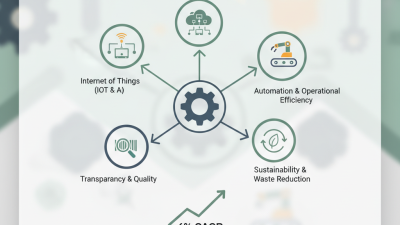
China’s processing machinery sector spans CNC systems, food processors, packaging lines, plastics equipment, and industrial automation. Its scale is difficult to ignore. The International Federation of Robotics reported 276,288 industrial robots installed in China during 2023, representing about 51% of global installations. That figure signals strong automation demand, but it does not identify the best supplier by itself.

A useful review must examine more than factory size. It should consider machining accuracy, throughput, energy consumption, control systems, after-sales support, and documented export experience. Data from China Machine Tool Industry Association reports continuing investment in digital manufacturing and high-end machine tools. UN Comtrade records also show China’s significant role in global machinery exports. These sources provide direction, not a final verdict.

The strongest manufacturers usually publish technical tolerances, material compatibility, cycle times, and safety certifications. Buyers should also inspect real installations, service response records, spare-parts access, and commissioning procedures. A polished showroom can hide weak maintenance support. That risk matters.

This guide explores leading Chinese processing machinery manufacturers through practical and evidence-based criteria. It compares product specialization, engineering capability, customization depth, quality control, and international service networks. Company rankings remain imperfect because “top” depends on the application, budget, and production scale. A small precision workshop may outperform a larger supplier in one narrow process. That detail is easy to miss. Readers should verify current certifications, factory capacity, and reference projects before signing a contract. Industry data changes quickly, and older brochures may no longer reflect present performance.
What Are China Top Processing Machinery Manufacturers?

Definition and Scope of Processing Machinery in China

What Are China Top Processing Machinery Manufacturers?

Definition and Scope of Processing Machinery in China

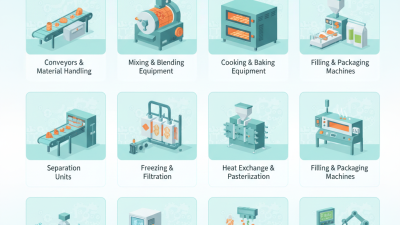
Processing machinery in China covers equipment that changes raw materials into usable products. It may cut, mix, heat, dry, press, separate, or package materials. The scope reaches food, chemicals, plastics, pharmaceuticals, metals, and agricultural production. Some machines work continuously, while others handle measured batches.

A reliable evaluation looks beyond production speed. Engineers check material compatibility, temperature control, motor performance, cleaning access, and spare-part availability. Safety guards and emergency stops also matter. In practical factory assessments, output often differs from laboratory figures. Dust, moisture, uneven feeding, and operator habits can reduce efficiency. The boundary is not always neat.

Tips: Ask for drawings, test records, maintenance schedules, and verified capacity data. Request a sample trial using your actual material. Check weld quality, surface finishing, control accuracy, and noise levels. A lower purchase price may hide higher installation or service costs. This is easy to overlook. Also confirm electrical standards and documentation before shipment. Technical translations can contain small but costly errors, so review every specification carefully. A thoughtful buyer compares total operating value, not only the machine label.

China Processing Machinery Scope: Industrial Robot Output

Industrial robots are a representative segment of China’s processing machinery industry, supporting automated handling, assembly, welding, machining, and packaging. China’s annual industrial robot output increased from approximately 237,000 units in 2020 to 556,000 units in 2024, reflecting the expanding scale of domestic automated manufacturing equipment.

Source: National Bureau of Statistics of China, annual industrial robot output data. Figures are rounded to the nearest thousand units.

Key Industries Served by Chinese Processing Machinery Manufacturers

Chinese processing machinery manufacturers serve a wide range of industrial sectors, especially where stable production and precise material handling are essential. Food and beverage factories use mixers, filling systems, dryers, and packaging lines for sauces, grains, dairy products, and bottled drinks. Cleanability matters. Stainless steel contact surfaces, smooth welds, and accessible inspection points help reduce contamination risks and simplify daily maintenance.

Pharmaceutical manufacturers require tighter process control. Chinese suppliers produce granulators, tablet presses, sterilization units, and powder handling equipment for controlled production environments. These machines often need accurate dosing, documented testing, and reliable data records. Chemical processors use reactors, filtration systems, evaporators, and corrosion-resistant pumps. Material selection becomes critical when heat, pressure, or aggressive substances are involved. A small gasket failure can stop an entire production line.

Agricultural and feed-processing companies also rely on Chinese machinery for crushing, drying, mixing, pelletizing, and storage preparation. Construction material plants use equipment for cement additives, minerals, ceramics, and engineered panels. In practical factory evaluations, output capacity alone is never enough. Operators also examine noise levels, cleaning time, spare-part access, and training quality. A polished brochure cannot replace a production trial. Some projects still reveal uneven automation or unclear maintenance instructions. That weakness deserves honest review before purchase. Experienced buyers should request sample testing, safety documentation, installation plans, and measurable performance records.

Criteria for Identifying China’s Top Machinery Manufacturers

What Are China’s Top Processing Machinery Manufacturers?

The strongest manufacturers are not identified by factory size alone. China accounted for about 31.6% of global manufacturing value added in 2023, according to World Bank data. That scale creates many capable suppliers, but also makes comparison harder. Buyers should examine application experience, engineering depth, quality controls, and after-sales support.

A credible manufacturer can show equipment running under conditions similar to yours. Ask for measured throughput, energy use, product consistency, and maintenance records. Factory acceptance tests should include real materials, not only clean demonstrations. ISO 9001 remains useful, but certification alone proves little about machine performance. WIPO’s Global Innovation Index 2024 ranked China 11th, reflecting strong innovation capacity. Still, engineering claims need drawings, test data, and traceable revisions.

Delivery reliability matters as much as design. Review spare-parts availability, response times, installation procedures, and operator training. Industry reports from UNIDO and national manufacturing surveys repeatedly connect productivity with skills, process control, and technology adoption. A supplier with skilled technicians may outperform a larger exporter. That is easy to overlook. I would also inspect welding quality, cable routing, safety guarding, and documentation before signing. These details look ordinary, yet they often reveal the real production culture. No evaluation is perfect; reference calls can be selective, and published data may lag behind current capacity. A careful audit should combine records, live testing, and independent technical judgment.

Leading Chinese Manufacturers by Machinery Category

What Are China Top Processing Machinery Manufacturers?

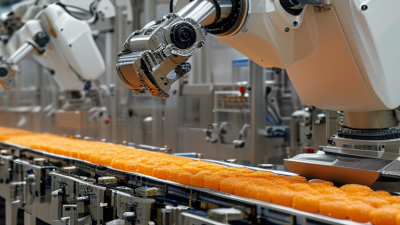
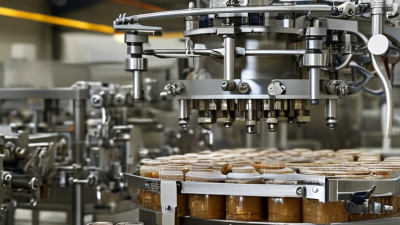
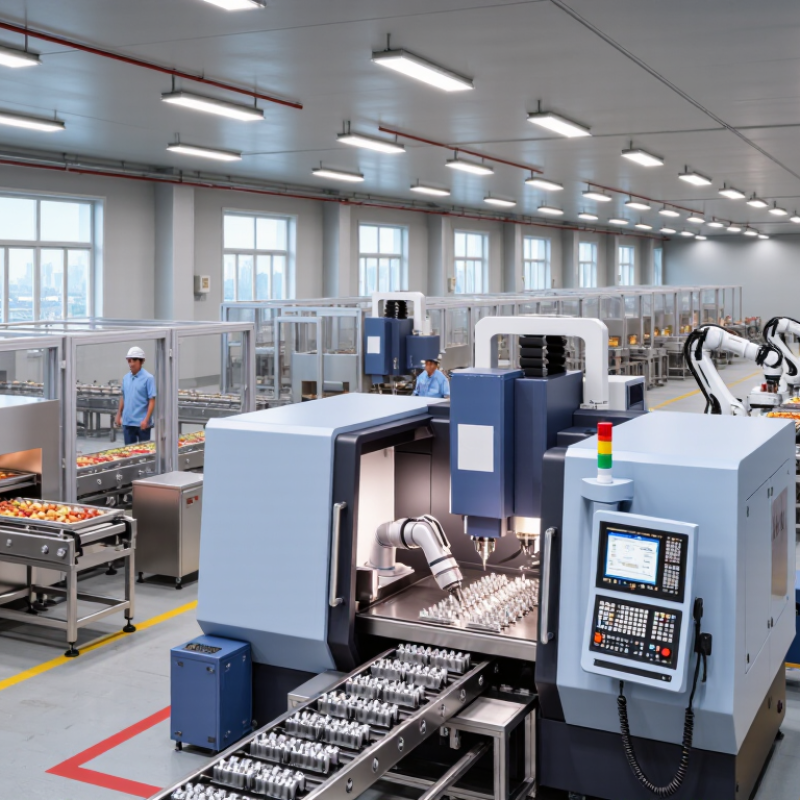
Leading Chinese manufacturers serve distinct machinery categories, rather than one universal market. Food processing equipment includes mixers, slicers, filling systems, ovens, and continuous cooking lines. These machines often use stainless steel frames, programmable controls, and washable surfaces for demanding production environments.

Packaging machinery Packaging machinery covers vertical form-fill-seal systems, cartoners, labeling units, and case packers.

Pharmaceutical and cosmetic processors Pharmaceutical and cosmetic processors commonly require cleanroom-compatible designs, accurate dosing, and documented validation support.

Plastics machinery Plastics machinery includes injection molding systems, extrusion lines, pelletizers, and auxiliary drying equipment.

Metalworking manufacturers Metalworking manufacturers produce CNC machining centers, laser cutting systems, bending machines, and automated loading solutions.

A reliable evaluation should examine production records, factory testing, spare-parts access, and service response times. Ask for videos of similar machines running real materials. Check electrical components, safety guards, welding quality, and changeover procedures in person when possible. Certification helps, but it does not replace a technical audit. No factory is perfect. Some suppliers communicate quickly but provide weak documentation. Others offer strong engineering and slower after-sales support. Buyers should compare output stability, energy use, cleaning time, and operator training instead of focusing only on purchase price. A short trial may reveal problems hidden by impressive brochures.

How to Evaluate Suppliers, Quality, and Export Capabilities

Choosing China’s top processing machinery manufacturers requires more than comparing prices. A capable supplier should understand your material, output target, moisture range, and factory conditions. Ask for technical drawings, test data, and a clear list of machine components. An experienced manufacturer can explain why a design fits your process. Vague promises deserve caution.

Inspect quality through practical evidence. Request videos of operating equipment, factory inspection records, and references from similar industries. Check welding points, control cabinets, safety guards, and access for maintenance. Critical parts should have traceable specifications and documented inspections. A trial using your own material is valuable, although it may not reveal every long-term problem.

Tips: Visit the factory if possible. Bring a checklist. Compare identical specifications, not attractive photos. Confirm capacity under real working conditions. Review warranty terms, spare-parts availability, installation support, and operator training. Export capability also matters. The supplier should provide accurate packing lists, electrical documents, customs information, and shipping experience for your destination. Ask how they handle damaged parts or delayed commissioning. Some suppliers communicate well before payment, then respond slowly after delivery. This risk is easy to underestimate. A written service process, named contacts, and agreed response times improve reliability. Still, no checklist replaces careful judgment. Test assumptions before signing.