Top Food Packaging Trends for 2026 What Should Global Buyers Know
As the food industry evolves, packaging plays a crucial role. The intersection of food with packaging has become increasingly important. Sustainable materials, innovative designs, and consumer-friendly features are now at the forefront. These trends are reshaping the way food is presented and preserved.
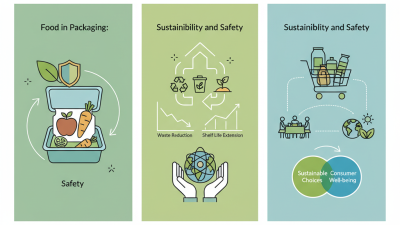
Global buyers should be aware of the impact of packaging on consumer choices. For instance, eco-friendly packaging not only attracts eco-conscious customers but also signals brand responsibility. However, quality and safety must not be overlooked. Packaging should protect the freshness of food while minimizing waste.
It’s vital to stay updated on these emerging trends. The food packaging landscape will continue to change, influenced by technology and consumer demands. Buyers must reflect on how these trends affect their sourcing strategies and brand positioning. Understanding the connection between food and packaging can lead to informed decisions in a dynamic marketplace.
Emerging Eco-Friendly Materials in Food Packaging for 2026
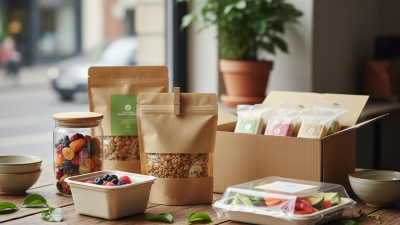
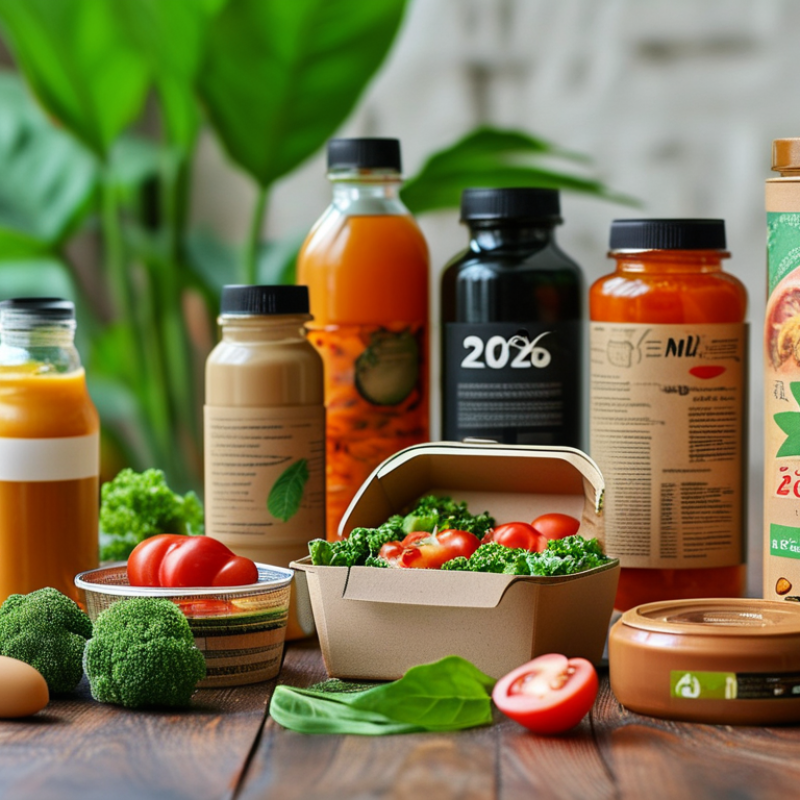
As the food packaging landscape evolves, eco-friendly materials are at the forefront of innovations for 2026. According to a recent industry report by Smithers Pira, the global market for sustainable packaging is projected to reach $1 trillion by 2027, highlighting a growing trend among consumers favoring environmentally responsible options. Materials such as bioplastics, paper alternatives, and edible packaging are making strides. These innovations not only reduce environmental impact but also appeal to health-conscious consumers.
Emerging eco-friendly materials offer various benefits. Biodegradable films made from plant-based sources can decompose within months instead of decades. Companies using alternative materials can enhance their brand image, responding to the increasing demand for sustainability. However, challenges remain. Some eco-materials may not provide the same barrier properties as traditional plastics, affecting shelf life. Companies must balance sustainability with functionality.
Tip: When evaluating packaging options, consider both sustainability and product integrity. Knowing your product's needs is key.
Continuous research into innovative materials is crucial. Marine degradable polymers are gaining attention, helping to reduce ocean waste. Ensuring these materials are accessible and economically viable is essential. Effective communication about these innovations can further educate consumers about the benefits of eco-friendly packaging.
Tip: Keep an eye on consumer feedback—understanding their concerns can guide product development.
Top Food Packaging Trends for 2026
| Trend |
Description |
Material Type |
Sustainability Rating |
Projected Growth Rate |
| Biodegradable Packaging |
Packaging that decomposes naturally and reduces waste. |
PLA (Polylactic Acid), Starch-Based Plastics |
High |
15% |
| Recyclable Packaging |
Packaging designed to be easily recycled. |
Cardboard, Glass, Certain Plastics |
Moderate |
10% |
| Edible Packaging |
Packaging that can be consumed along with the food. |
Seaweed, Rice Paper |
Very High |
20% |
| Plant-Based Plastics |
Plastics derived from renewable plant sources. |
PHA (Polyhydroxyalkanoates), PLA |
High |
12% |
| Smart Packaging |
Packaging that includes technology to monitor freshness. |
Sensor-Embedded Materials |
Moderate |
8% |
Innovative Designs Enhancing User Experience in Food Packaging
The food packaging industry is rapidly evolving, with innovative designs enhancing user experience significantly. According to a report by Smithers Pira, the global food packaging market is projected to reach $500 billion by 2026. Innovative materials and designs are crucial in this growth. Consumers increasingly pay attention to sustainability and convenience, driving brands to rethink their packaging strategies.
Easy-to-open packages and resealable designs create a more enjoyable experience. Many consumers find frustration in conventional packaging, impacting their purchase decisions. Interestingly, studies show that 64% of shoppers prefer packaging that is user-friendly. This highlights the importance of functionality in packaging design, which must balance aesthetics with usability.
Yet, despite these advancements, challenges remain. Many companies struggle with sourcing sustainable materials that meet consumer demands. Additionally, while attractive packaging draws customers in, it can overshadow poor product quality. As the industry moves toward 2026, finding the right balance between innovative design and sustainable practices will be crucial for success.
The Role of Technology in Transforming Food Packaging Solutions
The evolution of food packaging is heavily influenced by technology. Innovations like smart packaging and sustainable materials are reshaping the industry. Smart packaging integrates sensors to monitor freshness. This ensures safety and reduces waste. Consumers can check the quality of products in real-time. It is a significant leap forward for both buyers and manufacturers.
Sustainable materials are gaining traction. Biodegradable options are replacing traditional plastics. This aligns with the growing demand for eco-friendly solutions. Yet, not all sustainable materials are created equal. Some may not perform as effectively in preserving food. Companies face challenges in balancing sustainability and efficiency. They must continue to innovate to find the right solutions.
Furthermore, digital labeling is on the rise. It enhances transparency and provides more information to consumers. Customers appreciate knowing the source of their food. However, the integration of technology can be costly. Smaller companies may struggle with these investments. As the industry progresses, finding affordable tech solutions will be crucial. Adapting to these changes is essential for success in the evolving market.
Top Food Packaging Trends for 2026
Regulatory Changes Impacting Food Packaging Trends Globally
As we approach 2026, regulatory changes are significantly shaping the food packaging landscape. Countries are increasingly adopting stricter regulations to address sustainability and health concerns. This shift urges manufacturers to rethink material use. For instance, many are exploring biodegradable options. These materials can significantly reduce environmental impact compared to traditional plastics.
Additionally, global trends showcase an emphasis on transparency in labeling. Clear information about ingredients and sourcing is becoming essential. Regulations now require concise, informative packaging that consumers can trust. This change reflects a growing demand for high-quality food options. Yet, companies may struggle with these updated requirements. The challenge lies in balancing compliance with creative packaging solutions.
In response to these evolving regulations, organizations are investing in research. Innovations in packaging technologies emerge as a necessity. However, there remains a question of practicality. Companies must assess whether new methods are cost-effective and scalable. Sustainability goals may conflict with budget constraints. This tension in the industry may require ongoing reevaluation of strategies and practices.
Consumer Preferences Shaping the Future of Food Packaging Design
Consumer preferences are rapidly evolving, and they significantly shape food packaging design. A recent report by the Food Packaging Association indicates that over 78% of consumers prefer sustainable packaging options. Many value eco-friendly materials like compostable plastics and recycled paper. The shift towards these materials is not just about appearance; it also reflects broader environmental concerns.
Additionally, 65% of consumers report that package functionality is crucial. They seek designs that enhance their experience, such as resealable bags or easy-to-open containers. Brands that ignore this trend may struggle to attract these discerning consumers. Another study found that nearly 70% of shoppers are also influenced by visual design and labeling clarity. Such preferences challenge companies to improve aesthetics while maintaining sustainability.
As the industry grows, packaging design must reflect these preferences. However, many brands still face hurdles in balancing aesthetics and functionality with eco-conscious materials. Feedback often points to a lack of innovation in multi-use packaging solutions. Companies must rethink how they package food. The future relies on understanding these shifting consumer expectations and adapting accordingly.