

Choosing among China’s top food product packaging machine suppliers requires more than comparing prices or website photographs. A suitable supplier must match your product, packaging material, production speed, and hygiene requirements. Powder, liquid, frozen, and fragile foods each demand different handling systems. A machine designed for coffee pouches may not suit sauces, tablets, or fresh snacks.
This guide examines how experienced buyers evaluate a food product packaging machine in real manufacturing conditions. We will consider filling accuracy, sealing performance, changeover time, cleaning access, spare-part availability, and operator safety. Stainless steel contact surfaces, servo-driven dosing, clear control panels, and reliable sensors can make a noticeable difference on a busy production line. Factory testing also matters. Ask suppliers to run your product through the machine, inspect sample packages, and record output under realistic conditions.
The best supplier is not always the largest. It should provide verifiable technical documents, responsive service, transparent specifications, and practical installation support. Certifications can support credibility, but they do not replace performance testing or reference checks. Some supplier descriptions remain too general. That deserves scrutiny. Buyers should confirm electrical standards, packaging-film compatibility, warranty terms, delivery responsibilities, and training details in writing.
Real experience often reveals small weaknesses, such as difficult cleaning points or delayed spare parts. These details affect long-term reliability. This overview offers a balanced framework for comparing leading Chinese manufacturers while recognizing that no single supplier fits every food business. Test carefully. Ask better questions. Reliable decisions begin with evidence, not impressive claims.
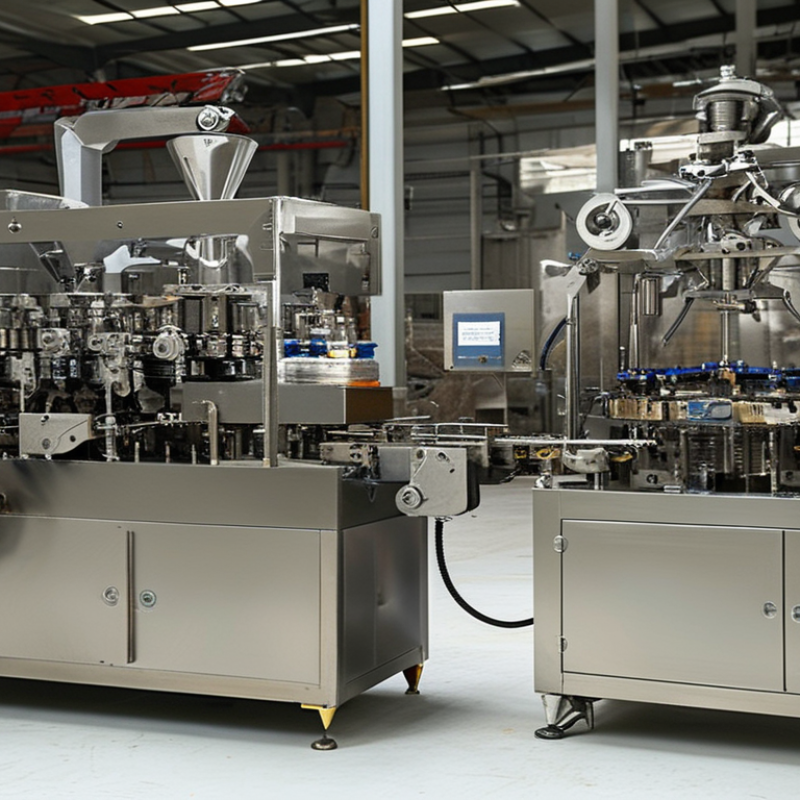
A leading food product packaging machine supplier in China is defined by more than a polished catalog. It understands product texture, moisture, temperature, and filling accuracy. Experienced engineers should explain how each machine handles real production conditions. Factory visits can reveal assembly standards, testing areas, and spare parts management. Look beyond sales claims.
Reliable suppliers provide clear specifications, safety documents, inspection records, and performance data. They test sealing strength, weighing accuracy, packaging speed, and equipment stability before delivery. Demonstrations should use the customer’s actual product, not only an easy sample. Good communication matters too. Technical drawings, installation plans, training schedules, and response times should be written clearly.
Customization also shows professional capability.
A supplier may adjust conveyors, filling systems, control panels, or cleaning access for a specific workshop. However, customization should not become an excuse for poor planning. No supplier is perfect. A strong supplier admits technical limits and discusses possible risks early.
Some quotations look attractive but exclude installation, spare parts, or operator training.
Careful buyers should ask detailed questions and check after-sales support through documented cases.
Long-term reliability is built through practical testing, honest communication, and measurable service commitments.
China offers a broad range of food product packaging machines for different products, package shapes, and production volumes. Vertical form-fill-seal machines commonly handle rice, snacks, granules, and powdered foods. They form film into a pouch, fill it, and seal it in one cycle. Horizontal flow wrappers suit biscuits, bakery items, and individually wrapped bars. Their sealing jaws must match the product’s size and softness.
Premade pouch machines provide a cleaner appearance for sauces, frozen foods, and ready-to-eat products. Vacuum packaging machines remove air before sealing meat, cheese, and other foods. Modified-atmosphere systems can replace air with a controlled gas mixture, helping protect texture during storage. Cup and tray sealing machines are useful for yogurt, desserts, and prepared meals. Liquid fillers need accurate pumps, while powder fillers often use augers.
From factory inspections and test runs, I have learned that speed claims need careful checking. A machine may perform well with dry granules but struggle with sticky seasoning. Small details matter. Check stainless-steel contact parts, seal temperature control, cleaning access, sensor accuracy, and spare-part support. Product trials should use real materials and final packaging film. I once saw a fast machine lose stability because the film curled near the sealing area. The lesson is simple: equipment selection requires evidence, not only a quotation.
| Machine Type | Typical Food Products | Common Packaging Format | Suitable Packaging Materials | Typical Production Range | Key Functions | Best Suited For |
|---|---|---|---|---|---|---|
| Vertical Form-Fill-Seal Machine | Snacks, grains, powders, frozen foods, pet food and small hardware-free food portions | Center-sealed pillow bags, gusseted bags and block-bottom bags | Plastic laminate film, paper laminate, compostable film and heat-sealable mono-material film | Approximately 20–100 bags per minute, depending on product and filling system | Forms the bag from a film roll, doses the product, heat-seals the package and cuts individual bags | Flexible packaging lines requiring compact equipment and multiple bag sizes |
| Premade Pouch Packing Machine | Ready-to-eat foods, sauces, nuts, dried fruit, confectionery and frozen products | Flat pouches, stand-up pouches, zipper pouches and spouted pouches | Multilayer plastic laminates, aluminum-laminated film, paper-based laminates and recyclable flexible films | Approximately 25–80 pouches per minute | Pouch feeding, opening, filling, sealing and optional zipper or spout handling | Products that require attractive pouch presentation or resealable packaging |
| Multihead Weigher Packing Machine | Potato chips, candies, nuts, seeds, cereals, dried fruit and other free-flowing products | Premade bags or vertically formed pillow and gusseted bags | Heat-sealable plastic laminates, recyclable films and paper-based heat-sealable structures | Approximately 30–120 weighments per minute, depending on the number of heads and product characteristics | Combines product from multiple weighing hoppers to achieve accurate target weights before discharge | High-speed weighing of irregular, granular or mixed snack products |
| Auger Filler Packing Machine | Flour, spices, coffee, milk powder, protein powder, seasoning and other dry powders | Small sachets, pillow bags, gusseted bags, jars and cans | Flexible laminate film, paper laminate, plastic containers and metal cans | Approximately 15–80 fills per minute, depending on dose size and powder behavior | Uses a rotating screw to measure and dispense powders by volume or controlled weight | Dust-controlled and consistent filling of fine, dry and non-free-flowing powders |
| Liquid and Paste Filling Machine | Cooking oil, sauces, ketchup, honey, jam, dairy products and beverages | Bottles, jars, cups, pouches and small sachets | Glass, PET, HDPE, PP, multilayer pouches and other food-contact packaging materials | Approximately 10–150 containers per minute, depending on viscosity and filling volume | Volumetric, piston or flowmeter filling with optional capping, sealing and anti-drip control | Accurate filling of free-flowing liquids, viscous products and products containing particulates |
| Cup Filling and Sealing Machine | Yogurt, pudding, jelly, sauces, dips, prepared foods and portioned desserts | Preformed plastic or paper cups sealed with lidding film | PP, PS, PET or paper cups with aluminum foil, plastic or laminated lidding film | Approximately 20–150 cups per minute | Cup denesting, filling, optional gas flushing, lidding placement, heat sealing and coding | Single-serve products requiring clean, consistent cup presentation |
| Tray Sealing and Modified Atmosphere Packaging Machine | Fresh meat, poultry, seafood, vegetables, fruit, ready meals and bakery products | Heat-sealed trays with standard or modified-atmosphere packaging | PP, PET, CPET, cardboard-based trays and compatible lidding films | Approximately 5–30 cycles per minute, depending on tray size and cavity configuration | Tray loading, air replacement with selected gases, film sealing, cutting and optional skin-pack operation | Fresh and chilled products where shelf-life and product visibility are important |
| Horizontal Flow Wrapping Machine | Biscuits, bakery items, chocolate bars, snack bars, produce and individual food portions | Three-side-sealed pillow packs and multipack bundles | Plastic laminate film, paper-based film, recyclable mono-material film and heat-sealable laminates | Approximately 30–300 packs per minute, depending on product size and machine layout | Product feeding, longitudinal sealing, end sealing, cutting and optional gas flushing | High-speed wrapping of solid, regular-shaped products and individual portions |
| Vacuum Packaging Machine | Fresh meat, cured meat, cheese, seafood, marinated foods and prepared meals | Vacuum pouches, shrink bags, vacuum trays and thermoformed packs | High-barrier vacuum pouches, shrink films, thermoforming films and barrier laminates | Approximately 2–12 cycles per minute for chamber systems; industrial lines may operate faster | Air removal, heat sealing and optional gas flushing or shrink treatment | Reducing oxygen exposure and protecting chilled, frozen or processed foods |
| Thermoforming Packaging Machine | Fresh meat, cheese, seafood, ready meals, snacks and medical-style food portions | Formed trays, vacuum packs, MAP packs and skin packs | Thermoforming bottom film with compatible lidding film, including high-barrier structures | Approximately 4–20 cycles per minute, depending on mold size and pack configuration | Heating and forming the base film, filling, vacuum or gas flushing, sealing and cutting | Integrated high-volume lines requiring customized pack shapes and strong product protection |
| Cartoning Machine | Cereal boxes, frozen foods, pouches, sachets, snack multipacks and food containers | Pre-glued or straight-line folding cartons | Paperboard and coated folding carton stock suitable for food packaging | Approximately 30–300 cartons per minute, depending on carton design and loading method | Carton erection, product insertion, leaflet handling when required and carton closure | Secondary packaging that groups primary food packages into retail cartons |
| Case Packing and Palletizing Machine | Cartons, bags, trays, bottles, cans and multipacks of food products | Corrugated shipping cases and palletized loads | Corrugated fiberboard cases, stretch film, strapping and protective pallet materials | Approximately 5–30 cases per minute; robotic palletizing speed varies by payload and pattern | Case forming, product loading, case sealing, pallet stacking and optional stretch wrapping | End-of-line automation for warehouses, distribution centers and export shipping |
China’s top food packaging machine manufacturers are judged by more than price. Their real strength lies in practical engineering, stable production, and responsive technical support. Experienced suppliers design equipment for powders, grains, snacks, liquids, and frozen foods. They often provide vertical form-fill-seal machines, premade pouch systems, tray sealers, and automatic weighing units.
Modern factories commonly use food-grade stainless steel, servo motors, touch-screen controls, and hygienic frames with fewer product traps. Strong manufacturers can adjust filling accuracy, sealing temperature, film width, and conveyor speed for different products. They also test machines with the customer’s actual packaging material. This matters because a film that seals well in theory may wrinkle during production. Factory acceptance tests, electrical documentation, spare-parts planning, and operator training add reliability. Yet no machine is perfect. A faster line can create more waste when settings are poorly managed.
Tips: Ask for running samples, not only technical drawings. Check sealing strength, filling tolerance, cleaning access, noise, and changeover time. Request videos of similar applications and confirm service response times in writing. It is wise to inspect the supplier’s workshop or arrange an independent factory audit. Do not choose the highest speed alone. A slightly slower machine may deliver better accuracy, easier maintenance, and fewer interruptions over several production years.
China Top Food Product Packaging Machine Suppliers?
Evaluating Chinese food packaging machine suppliers requires evidence, not attractive catalogs. PMMI’s 2024 State of the Industry report valued U.S. packaging machinery shipments at approximately USD 10.8 billion in 2023. This demand raises competition, but also makes supplier verification essential. Request a factory audit, business license, export records, and at least three recent customer references. Check whether the manufacturer builds key systems in-house or outsources them.
Technical performance should be measured with food-contact and production data. Ask for a filmed factory acceptance test using your actual product, package size, speed, and sealing material. Record output, reject rate, changeover time, compressed-air use, and cleaning time. A claimed speed of 120 packs per minute means little if rejects exceed 3%. The supplier should provide manuals, electrical diagrams, spare-parts lists, and preventive-maintenance schedules. ISO 9001 certification supports process control, but it does not guarantee machine performance.
The market data deserves caution. Grand View Research estimates continued growth in food packaging equipment, supported by automation and changing consumer formats. Forecasts vary widely between reports. That matters. Compare total ownership cost, not only the purchase price. Ask about remote response time, technician availability, language support, and warranty exclusions. During audits, inspect cable routing, weld quality, guarding, and washdown areas. Small details expose manufacturing discipline. I would still keep a risk register; no supplier is flawless, and a polished demonstration can hide unstable feeding or difficult cleaning.
When evaluating China food product packaging machine suppliers, buyers often focus on price first. That can be a costly shortcut. A suitable supplier should understand the product’s moisture, viscosity, temperature, and filling behavior. Ask for machine trials using your actual ingredients and packaging film. Watch the sealing edge, weighing stability, and changeover time. Small details matter. A machine that performs well with water may struggle with powder or sticky sauce.
Purchasing decisions should include total ownership cost, not only the quotation. Check energy use, spare-part availability, operator training, installation support, and response times. Request drawings, electrical specifications, maintenance schedules, and a clear warranty scope. Reliable suppliers explain limitations instead of promising perfect performance. Review inspection records and factory testing procedures where possible. Video demonstrations help, but an on-site or witnessed test offers stronger evidence. Still, no test predicts every production shift.
Supplier experience is easier to judge through relevant case discussions than general years in business. Ask how similar lines handled film wrinkles, seal contamination, product dust, or frequent format changes. Confirm whether controls can integrate with your existing line and whether safety documentation matches your market requirements. Communication quality also affects delivery. Unclear technical terms can become expensive delays. I would score suppliers across performance, service, documentation, and risk, then compare written evidence. Price remains important, but the cheapest offer may demand more labor, downtime, and patience than expected.