How to Choose Food Industry Machinery for Your Business
Choosing food industry machinery is not a catalogue exercise. It is a decision about product quality, daily workflow, and the people who will operate each machine. A filler may look impressive in a showroom, yet struggle with a thick sauce or frequent product changes. Small details matter: the width of a cleaning hatch, the reach to a control panel, and the time needed to switch formats.
Food engineering authority R. Paul Singh has written extensively about food processing and engineering. A practical paraphrase of that process-focused perspective is: “Choose machinery for the product and process it must handle, not for headline capacity alone.” Treat that as a guiding principle, not a verbatim quotation. Start by mapping your product, batch size, target output, and cleaning routine. Then compare construction materials, automation, service access, and expected maintenance. Ask suppliers to demonstrate the equipment using a product similar to yours. Watch the changeover. Listen for uneven motor noise. Inspect the finished product.
Real conditions can be messier than a neat specification sheet. They often are. A machine that performs well during a short demonstration may behave differently across a full shift. Consider future demand, but avoid paying for capacity your team cannot use. Check whether spare parts and technical support are realistically available. No single model suits every business. The best choice is the one your staff can run, clean, and maintain consistently—and that still meets your needs as production grows.
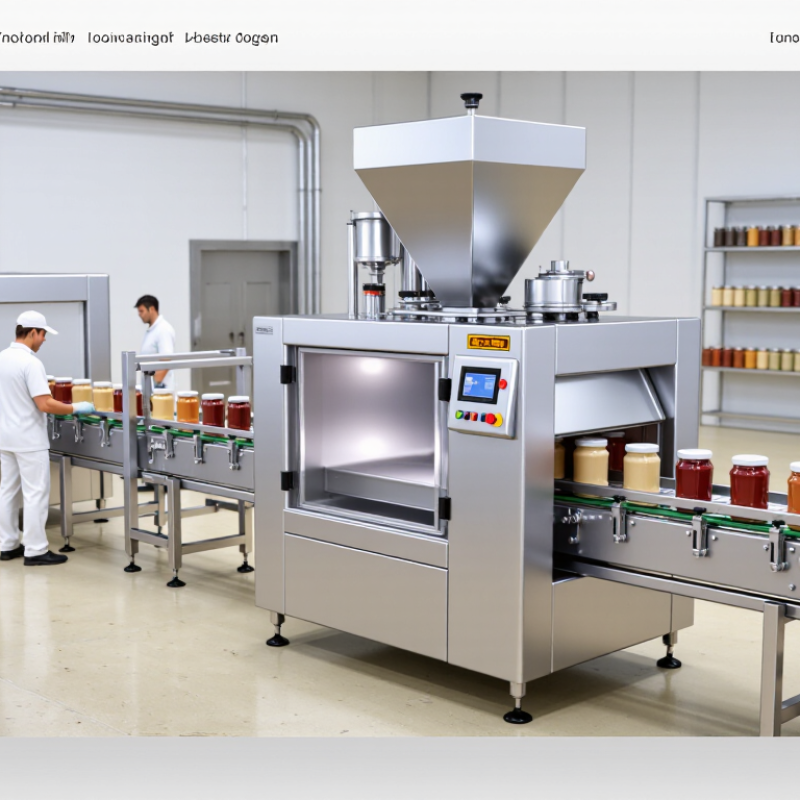
Define Your Production Needs and Business Requirements
Before comparing food industry machinery, define what your business needs to make each day. List product types, ingredients, target output per hour, and expected operating shifts. A bakery producing sticky dough has different needs from a plant filling thin sauces. Measure the real bottleneck. Is it mixing, cooking, portioning, or packaging? Small details matter, including batch size, product temperature, and how often recipes change.
Check the space and resources available at your site. Record doorway widths, floor capacity, electrical supply, water access, and cleaning time. Then consider who will operate and maintain the equipment. A fast machine may be a poor fit if your team cannot safely load it or clean its hard-to-reach parts. Ask for a production trial using your actual ingredients, and compare measured output with the stated capacity. Include changeover time and normal stoppages in your estimate. Early figures are often wrong; that is worth admitting. Keep a modest allowance for growth, but avoid paying for capacity you cannot use. Write down must-have requirements and acceptable trade-offs before requesting quotations. This makes comparisons clearer and exposes assumptions that may need another look.
Identify the Machinery Types That Match Your Products
Start with the food you actually make, not a generic equipment list. A bakery producing soft dough may need a spiral mixer sized for its batch volume and hydration. Batters and creams often suit a planetary mixer. Cookie lines may need a sheeter or depositor to keep portions consistent. For soups, sauces, and fillings, a jacketed kettle can support controlled heating and mixing. Texture matters.
Product form guides the next choice. Whole vegetables may need a washer, peeler, and slicer, while delicate berries can bruise in aggressive equipment. Liquids often need pumps and fillers matched to their viscosity. Chunky sauces may require wider passages to reduce blockages. Check temperature range, hourly output, and container shape before choosing packaging machinery. A fast filler is not useful if the capper cannot keep pace.
Cleaning and changeovers matter as much as throughput. Ask how product-contact parts come apart, whether seals tolerate your cleaning routine, and how long a format change takes. Small details count. A machine may look suitable in a showroom yet struggle with sticky dough or seeds collecting around a valve. It is tempting to prioritize speed, but that choice deserves a second look. Test with your real recipe, including an awkward batch, and record waste, operator reach, and downtime. Specification sheets rarely show every snag.
Assess Capacity, Materials, and Automation Options
A machine’s rated output can look convincing on a brochure, but real production is less tidy. Compare expected hourly demand with actual line speed, including filling, sealing, and cleaning pauses. Allow for seasonal peaks, but avoid buying capacity that sits idle most weeks. Check the slowest step. A washer that handles 1,000 trays per hour cannot help if packaging processes only 700. Ask suppliers to test your product, package size, and target shift length. Record changeover time too.
Material choice should reflect food acidity, temperature, moisture, and cleaning chemicals. Food-contact surfaces need suitable, documented materials; stainless steel is common, but grade and finish matter. Inspect welds, corners, seals, and hard-to-reach areas where residue may collect. Request cleaning instructions and maintenance intervals in writing. Automation should solve a measured problem, not merely look modern. Sensors and automatic dosing can improve consistency, while complex controls may slow staff during changeovers. Match controls to operator skills, available technicians, and spare-part access. A small line may benefit more from easy adjustments than robotic handling. It is tempting to over-specify. Revisit assumptions after a pilot run; estimates can miss awkward product behavior or washdown delays.
Compare Safety Standards, Operating Costs, and Supplier Support
Choosing food industry machinery means comparing safety, operating costs, and supplier support—not just production speed. Ask for clear documentation on guarding, emergency stops, sanitation access, and operator training. Safety documents matter. Check that the equipment can be cleaned without awkward reaches or hidden residue traps. If a washdown is part of your process, confirm the machine’s materials and design suit that routine. Requirements vary by location and application, so verify them with a qualified safety professional.
Look beyond the purchase price. Motors, replacement parts, water use, and cleaning time all affect the cost of running a machine. Ask how often key components need maintenance and whether common parts are readily available. Estimate costs using your actual shifts and product mix, not an ideal production day. A spreadsheet can still mislead. Small delays, changeovers, and rejected batches may add up more than expected.
Supplier support matters when a line stops mid-shift. Ask who handles service calls, what response times are realistic, and whether technicians can troubleshoot remotely. Request operating manuals and a practical training plan before signing. If possible, observe a machine processing a product similar to yours. A polished demonstration may not reveal every maintenance issue, and I would leave room in the evaluation for questions the sales conversation did not answer.
Plan Installation, Staff Training, and Ongoing Maintenance
Choosing machinery means planning beyond its purchase price.
Before delivery, measure doorways, floor space, ceiling height, and turning areas. Check utility connections, drainage, ventilation, and floor load capacity. Leave room for cleaning and safe access to moving parts. A machine that fits on a drawing may block a handwashing sink in real life. Confirm installation requirements with qualified technicians, then map how ingredients and finished products will move through the room.
Staff training should happen before the first production shift.
Teach operators start-up, shutdown, cleaning, and emergency procedures. Practice with the actual controls and tools, not just a printed manual. Ask each person to demonstrate the steps back. This can reveal confusion early. Assign maintenance checks by shift, and record wear, unusual noise, leaks, and downtime. Set inspection intervals using the equipment manual and working conditions. A schedule may need adjustment; dust or frequent washdowns can change what wears first.
Tips:
Label shutoff points clearly. Keep a simple daily checklist near the machine. Review it monthly. Small omissions happen, even with good teams.