How to Choose the Best Food Industry Machinery for Your Business Needs
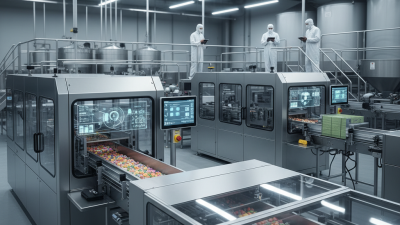
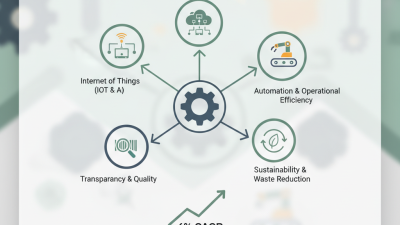
In the rapidly evolving landscape of the food industry, selecting the right food industry machinery is crucial for enhancing operational efficiency and ensuring product quality. According to a recent market report from Grand View Research, the global food processing equipment market size was valued at over $75 billion in 2022 and is projected to grow at a compound annual growth rate (CAGR) of 6.3% from 2023 to 2030. This growth highlights the increasing importance of advanced machinery in meeting consumer demands and streamlining production processes.
Choosing the best food industry machinery goes beyond mere cost considerations; it entails understanding the specific needs of your business, including production volume, product versatility, and compliance with food safety standards. A report by IBISWorld emphasizes that companies that invest in modern, efficient machinery not only improve their production capabilities but also significantly reduce waste and energy consumption, aligning their operations with sustainable practices. As the food sector continues to innovate, making informed decisions about machinery investment is vital for maintaining competitive advantage and adapting to market changes.
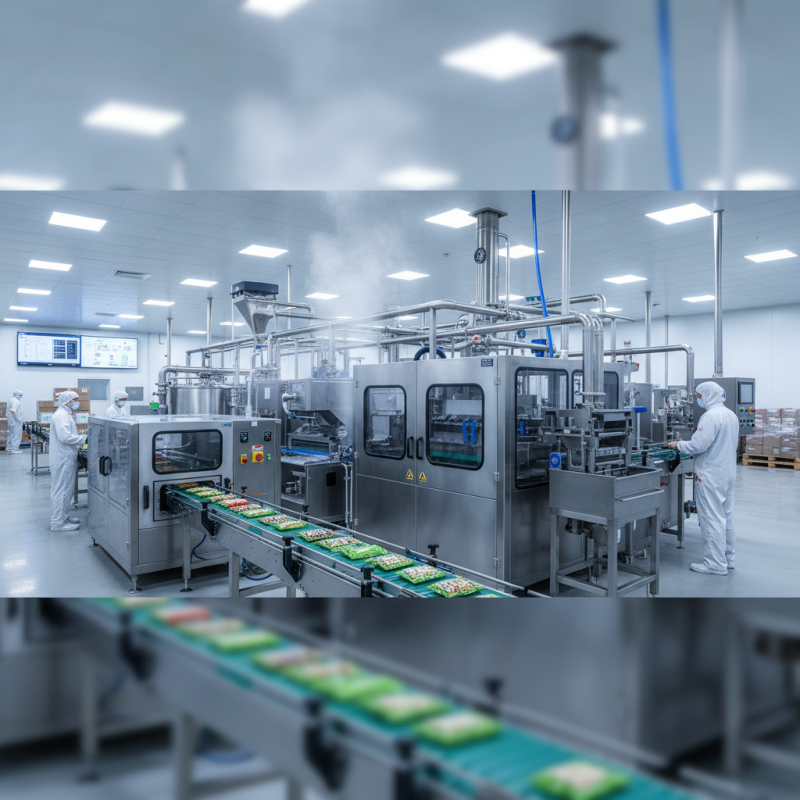
Understanding Your Business Requirements for Food Machinery
When selecting food industry machinery, a clear understanding of your business requirements is essential. Begin by assessing the scale of your operations. Are you running a small bakery, a large-scale processing plant, or something in between? The size and volume of production will heavily influence the type of machinery needed. Smaller operations might prioritize versatility and ease of use, while larger setups would benefit from high-speed, automated equipment to enhance efficiency and output.
Next, consider the specific processes involved in your food production. Different machinery serves distinct purposes, such as mixing, cooking, packaging, or preservation. Evaluating the intricacies of your production line will help in pinpointing the right equipment. Additionally, understanding your product requirements, such as ingredient compatibility and space constraints, is crucial for selecting machinery that integrates seamlessly into your workflow.
Prioritizing these business needs will ensure that the machinery you choose not only meets your current demands but is also adaptable for future growth.
Types of Food Industry Machinery and Their Applications
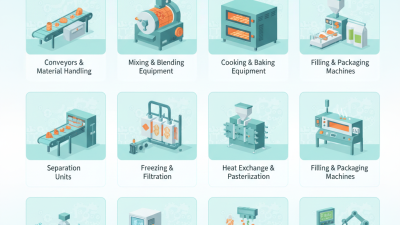
The food industry relies heavily on specialized machinery to ensure efficiency, safety, and quality. The types of machinery available range from processing and packaging equipment to preservation systems and cooking facilities.
For instance, according to the Food Processing Machinery Market report, the global market is projected to reach $28 billion by 2026, driven by the increasing demand for processed foods and the need for automation in production lines.
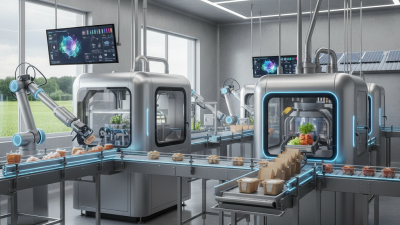
Processing machinery such as mixers, grinders, and slicers play a crucial role in the initial stages of food production. These machines are designed to enhance productivity while maintaining the quality of the ingredients. Further along the production chain, packaging machines are essential for ensuring food safety and extending shelf life.
A report from Research and Markets indicates that the food packaging machinery market is expected to grow at a CAGR of 5.4% from 2021 to 2026, emphasizing the increasing importance of advanced packaging solutions.
In addition to processing and packaging, preservation technologies like vacuum sealers and blast chillers are vital for maintaining food quality and extending its lifespan. The demand for such machinery is driven by consumer preferences for fresh and minimally processed foods. With the global food industry continuously evolving, investing in the right machinery tailored to specific business needs can significantly enhance operational efficiency and product quality.
Evaluating Machinery Suppliers: Key Considerations
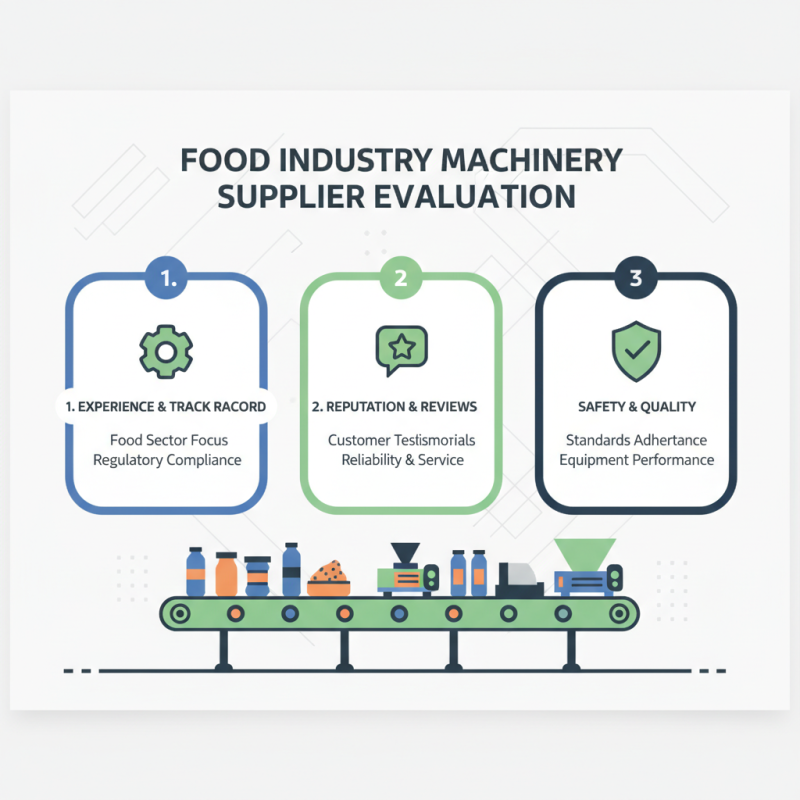
When evaluating machinery suppliers for the food industry, several key considerations should guide your decision-making process. First, assess the supplier's experience and track record in the food sector. A supplier well-versed in food processing standards is more likely to provide equipment that meets safety and regulatory requirements. Additionally, understanding the supplier's reputation through customer reviews and testimonials can offer valuable insights into their reliability and service quality.
Tips: Always request references from potential suppliers and do not hesitate to follow up with their previous clients. This direct feedback can reveal not just the equipment's performance but also the supplier's responsiveness to support and maintenance issues after the sale.
Another critical factor is the range of machinery offered by the supplier. Evaluate whether they provide a comprehensive selection of equipment that can cater to your specific production needs. It's also beneficial to inquire about customization options, as tailor-made solutions are often necessary for unique business requirements. Furthermore, consider the level of after-sales support they offer, including maintenance services and training for your staff.
Tips: Look for suppliers who offer training programs, as this can significantly reduce the learning curve for your team and enhance overall operational efficiency.
Assessing Cost-Effectiveness and ROI of Equipment
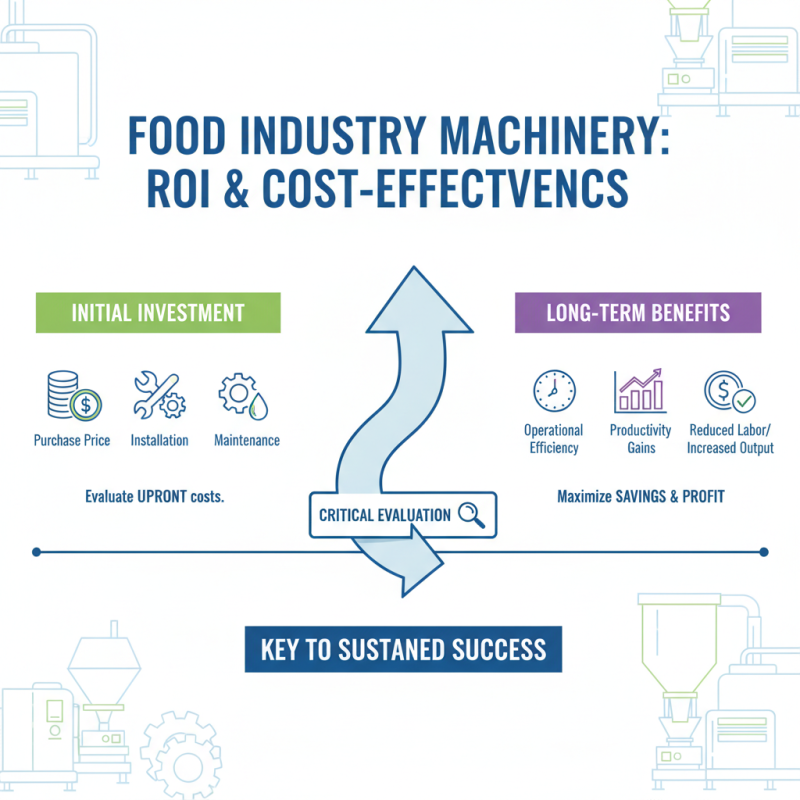
When selecting machinery for the food industry, assessing cost-effectiveness and return on investment (ROI) is critical to ensure long-term success. A comprehensive evaluation begins with understanding the initial costs of the equipment, including purchase price, installation, and maintenance expenses. It’s essential to compare these costs against the expected operational efficiency and productivity gains that the machinery will provide. For instance, machinery that reduces labor costs or enhances processing speed may justify a higher upfront investment if it leads to significant savings and increased output.
In addition to direct costs, businesses should consider the lifespan and reliability of the equipment. Investing in durable machinery that requires minimal downtime not only improves productivity but also contributes to better ROI over time. Another important aspect is the potential for scalability; choosing equipment that can adapt to increased production demands without requiring a complete overhaul can further enhance cost-effectiveness. Furthermore, evaluating the technology behind the equipment, such as energy efficiency and automation features, can lead to reduced operational costs and improved profit margins. Ultimately, a thorough analysis of these factors will help business owners select machinery that aligns with their financial objectives and operational needs.
Implementing Maintenance and Support for Long-Term Use
When investing in food industry machinery, it is crucial to prioritize maintenance and support to ensure long-term effectiveness and reliability. Regular maintenance not only prolongs the life of your machinery but also prevents unexpected breakdowns that can disrupt production schedules and lead to costly downtime. Developing a comprehensive maintenance plan that includes routine inspections, cleaning, and timely replacement of worn parts can significantly enhance operational efficiency. Consulting with equipment manufacturers or industry experts can help businesses identify best practices for their specific machinery.
In addition to routine maintenance, establishing a robust support system is essential. This may involve training staff to operate and troubleshoot machinery effectively, ensuring that they are equipped to handle minor issues before they escalate. Moreover, having a reliable support network—whether through in-house technicians or third-party service providers—can provide peace of mind. Access to prompt technical support aids in quickly resolving any operational challenges, allowing companies to maintain productivity levels and uphold product quality. Consequently, a well-thought-out maintenance and support strategy will empower food industry businesses to capitalize on their machinery investments, resulting in improved performance and profitability.
Machinery Selection and Maintenance in the Food Industry