How to Choose Eco Friendly Food with Sustainable Packaging Solutions
In recent years, consumers have become increasingly aware of the environmental impact of their food choices, particularly concerning food with packaging. According to a report by the World Economic Forum, the global food production system is responsible for approximately one-quarter of all greenhouse gas emissions, making it vital for consumers to consider eco-friendly options. A significant portion of this environmental footprint comes from packaging waste, with around 300 million tons of plastic produced annually, much of which ends up in landfills or oceans.
The shift toward sustainable food systems not only addresses waste management but also promotes responsible resource use. A study published by the Ellen MacArthur Foundation highlights that transitioning to circular economy principles within the food sector could reduce packaging waste by 70%. By choosing food with packaging that prioritizes sustainability—such as biodegradable materials, reduced plastic use, and recyclable options—consumers can contribute to a decrease in plastic pollution and support broader environmental goals. In doing so, they play a crucial role in advocating for a more responsible food supply chain that aligns with both ecological integrity and public health.
Understanding Eco-Friendly Food and Sustainable Packaging Concepts
Understanding eco-friendly food involves recognizing its impact on the environment and prioritizing the use of natural ingredients that are produced sustainably. This type of food not only supports biodiversity but also minimizes carbon footprints by utilizing less harmful farming and fishing practices. When choosing eco-friendly options, it’s important to consider local and seasonal produce, as these typically require less transportation and help bolster the local economy. Organic certifications and farm-to-table practices are also essential, as they guarantee adherence to regulations that favor environmentally responsible agricultural methods.
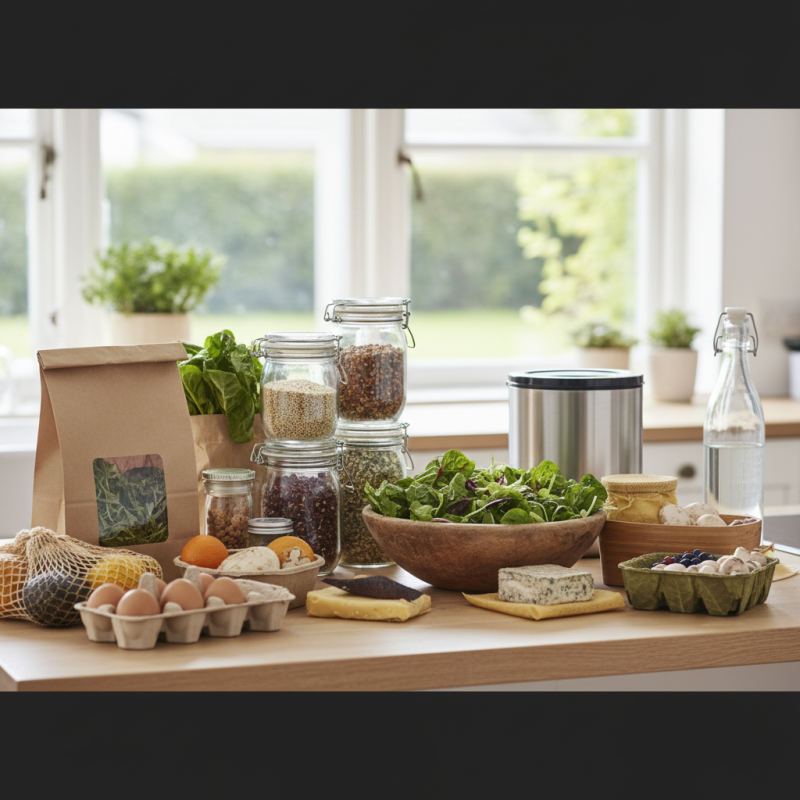
Sustainable packaging solutions are equally crucial in reducing environmental damage. Consumers should seek products that are packaged in materials that are recyclable, biodegradable, or made from renewable resources. This not only reduces plastic waste but also encourages companies to adopt more sustainable practices in their operations. Additionally, minimal packaging is preferable, as it generates less waste overall. By making informed choices about both the food we consume and the way it is packaged, individuals can significantly contribute to a healthier planet and promote sustainable living practices for future generations.
The Importance of Sustainable Packaging in Reducing Food Waste
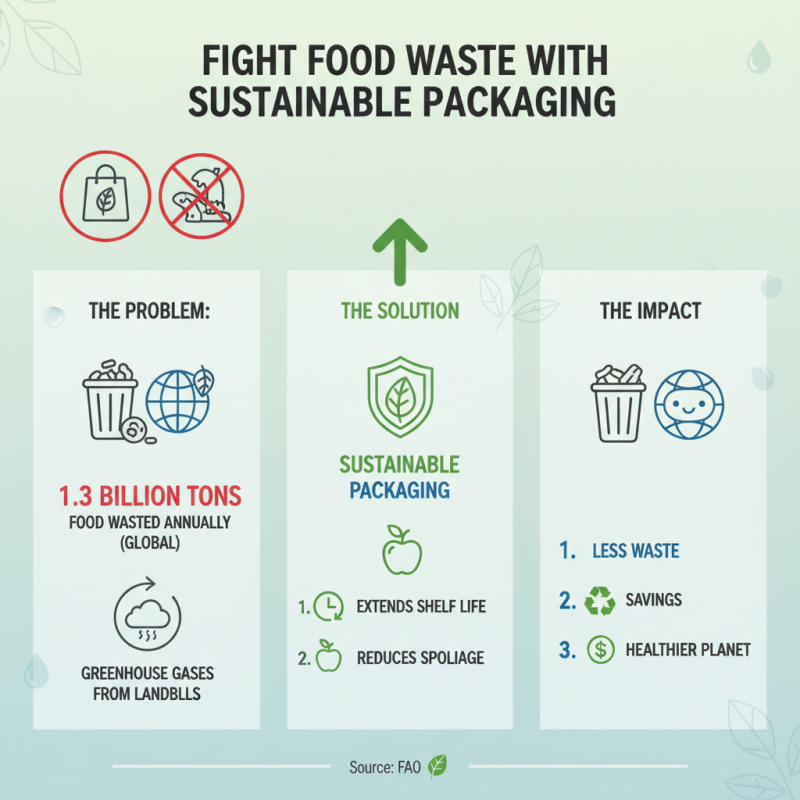
Sustainable packaging plays a crucial role in reducing food waste, a pressing issue that the planet faces today. According to the Food and Agriculture Organization (FAO), approximately one-third of all food produced globally is wasted, amounting to around 1.3 billion tons each year. This waste not only represents a loss of resources but also contributes to greenhouse gas emissions when decomposed in landfills. By implementing sustainable packaging solutions, companies can significantly extend the shelf life of products, reducing the likelihood of spoilage and waste.
One of the most effective strategies is to choose materials that are biodegradable, compostable, or recyclable. Research by the Ellen MacArthur Foundation indicates that transitioning to sustainable packaging could result in a reduction of up to 70% in plastic pollution. Utilizing packaging that is tailored to protect food more efficiently can minimize its exposure to air and moisture, factors that commonly lead to spoilage.
**Tips:** Consider selecting products packaged in materials like plant-based plastics or recycled cardboard. Additionally, look for brands that clearly communicate their sustainability efforts, including certifications and sustainability goals. Finally, support local producers who prioritize sustainable packaging and fresher foods, as this not only minimizes transportation emissions but also promotes economic resilience within your community.
Identifying Certification Labels for Eco-Friendly Food Choices
When aiming to choose eco-friendly food, one of the most effective ways is to look for specific certification labels that indicate sustainable practices. These labels serve as guides for consumers, helping them to easily identify products that meet environmental standards. Certifications such as the USDA Organic seal or the Fair Trade logo not only suggest a commitment to organic farming practices but also indicate fair labor conditions and sustainability in food production. Understanding these labels can empower consumers to make informed decisions that support both the planet and ethical practices in agriculture.
Additionally, other certifications reflect a commitment to environmentally friendly packaging. Look for labels like the Forest Stewardship Council (FSC) or the Cradle to Cradle certification, which signifies that products are made using sustainable materials and processes. By choosing foods with these certifications, consumers can significantly reduce their ecological footprint. Having knowledge of these labels not only fosters more responsible consumption but also encourages food producers to adopt sustainable practices, thereby promoting a greener future for all.
How to Choose Eco Friendly Food with Sustainable Packaging Solutions - Identifying Certification Labels for Eco-Friendly Food Choices
| Food Category |
Eco-Friendly Certifications |
Sustainable Packaging Options |
Nutritional Benefits |
Local Sourcing |
| Fruits |
USDA Organic, Fair Trade |
Biodegradable packaging |
Rich in vitamins and antioxidants |
Often sourced locally, reducing carbon footprint |
| Vegetables |
Non-GMO Project Verified, Rainforest Alliance |
Recyclable plastic or glass containers |
High in fiber and minerals |
Supports local farmers and agriculture |
| Dairy Products |
Certified Humane, Organic |
Glass packaging, compostable cartons |
Good source of calcium and protein |
Frequently sourced from local farms |
| Grains |
Organic, Whole Grain Certified |
Paper bags, bulk bins |
Rich in fiber and essential nutrients |
Often available from nearby farms |
| Snacks |
Fair Trade Certified, Non-GMO |
Recyclable or biodegradable packaging |
Provides energy and nutrients |
Can support local businesses |
Evaluating Life Cycle Assessments of Food Products and Packaging
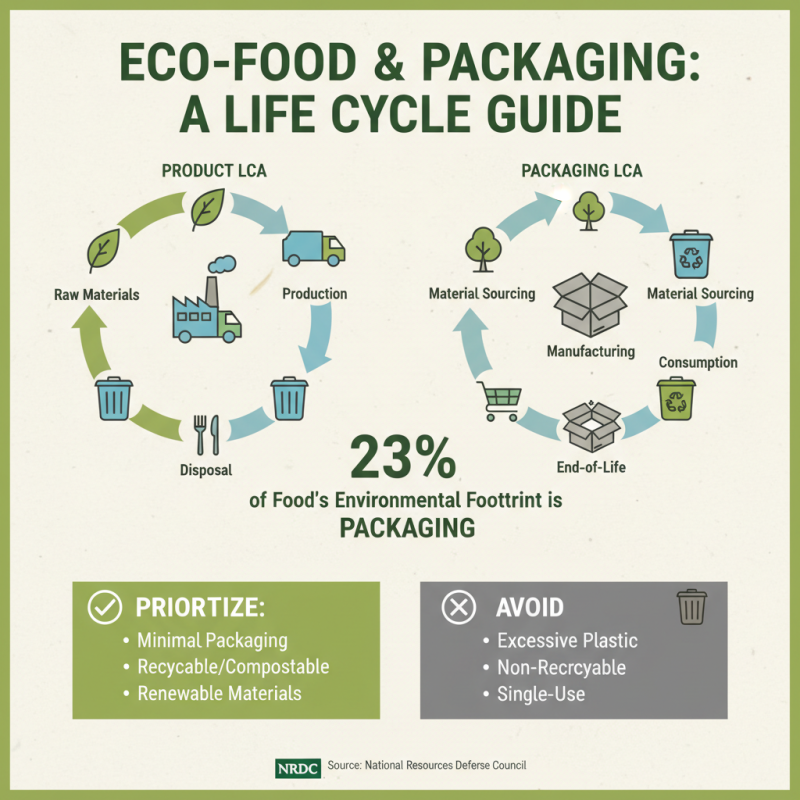
When choosing eco-friendly food, one essential aspect to consider is the life cycle assessment (LCA) of both the product and its packaging. The LCA evaluates the environmental impacts associated with all stages of a food product's life, from raw material extraction to production, distribution, use, and disposal. According to the National Resources Defense Council, food packaging contributes approximately 23% of the total environmental footprint of food products, making it a critical factor in sustainability evaluations. Therefore, consumers should prioritize products with packaging that minimizes resource consumption and waste generation.
Many industry reports have indicated that the shift toward sustainable packaging solutions, such as biodegradable and compostable materials, can significantly reduce greenhouse gas emissions. For instance, a study published by the Ellen MacArthur Foundation highlights that replacing conventional plastic with sustainable alternatives could reduce carbon emissions from packaging by up to 40%. Furthermore, reports suggest that packaging innovations, such as lightweight designs and reusable containers, not only conserve resources but also enhance the efficiency of the supply chain, thereby reducing the overall environmental impact of food products. By understanding the life cycle assessments of food and their packaging, consumers can make informed choices that align with their values of sustainability and ecological responsibility.
Innovative Sustainable Packaging Solutions and Their Industry Impact
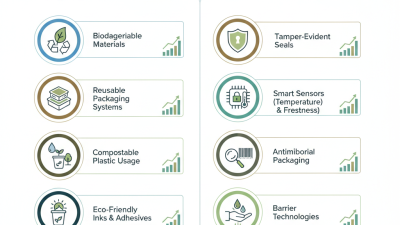
The rise of eco-friendly food options has prompted a significant shift towards sustainable packaging solutions across the food industry. Innovative materials such as biodegradable plastics, plant-based films, and recycled paper products are being embraced by manufacturers seeking to minimize their environmental impact. By utilizing these sustainable packaging options, companies can significantly reduce their carbon footprint and divert waste from landfills, while also appealing to the growing consumer demand for environmentally responsible practices.
Furthermore, these advances in packaging technology are positively influencing industry standards and encouraging collaborations between brands and sustainability-focused organizations. Many companies are now striving to implement circular economy principles, where packaging is not only designed for one-time use but can be reused, repurposed, or easily recycled. This transformation not only supports the preservation of natural resources but also fosters innovation within the industry, leading to new business models that prioritize sustainability and environmental stewardship. As this trend continues to grow, the collective impact on reducing waste and promoting a healthier planet becomes increasingly significant.