Best Compostable Packaging Materials Tips for Global Buyers?
In recent years, sustainability has become a priority for businesses worldwide. One key aspect of this shift is the adoption of Compostable Packaging Materials. These materials provide a more environmentally friendly alternative to traditional packaging options, helping reduce waste in landfills. As global buyers increasingly seek out sustainable solutions, navigating the diverse options can be challenging.
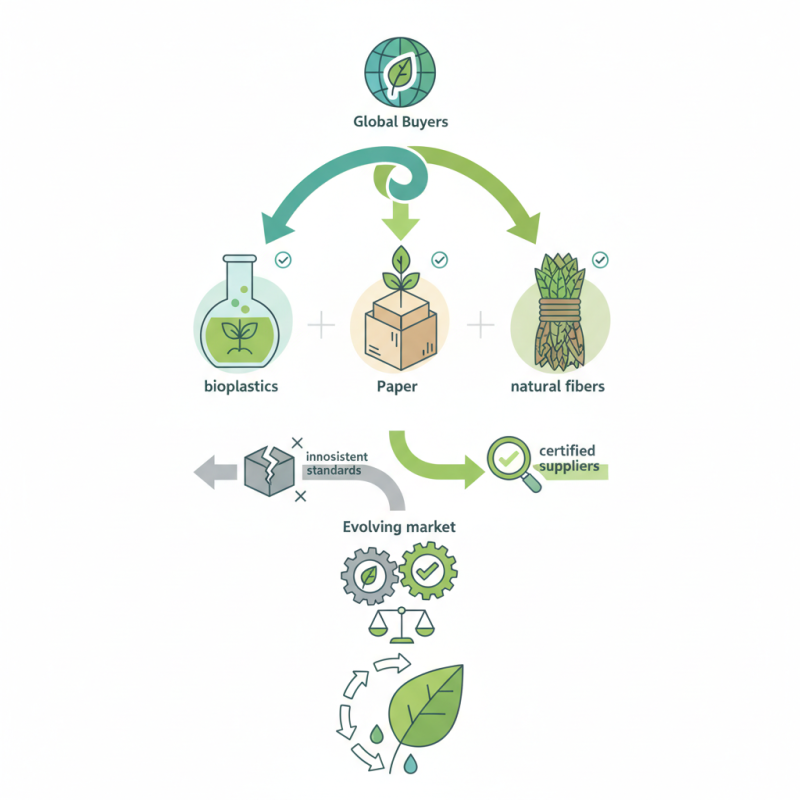
Compostable packaging materials come in various forms, including bioplastics, paper, and natural fibers. Understanding their properties and applications is crucial for making informed purchasing decisions. However, not all products labeled as compostable meet the necessary standards. This inconsistency can lead to confusion and mistrust among buyers. It is vital to research suppliers and certifications to ensure reliability.
As the market for compostable packaging evolves, it may present both opportunities and challenges. Some companies may find it difficult to adapt to these changes. Exploring best practices and learning from others can foster better outcomes. The journey towards sustainable packaging is ongoing, and every small step counts. Global buyers must stay informed and cautious as they navigate this essential transition.
Best Practices for Selecting Compostable Packaging Materials
When selecting compostable packaging materials, focus on the material's certification. Look for standards like ASTM D6400 or EN 13432. These certifications indicate that the materials meet stringent composting criteria. This is essential for ensuring the packaging can break down effectively in composting facilities.
Consider the end-of-life options for your packaging. Not all compostable items will decompose in home compost systems. Understanding the conditions needed for these materials to break down is critical. Many businesses overlook this aspect. Assess the entire lifecycle of the product, including how consumers will dispose of it.
Evaluate the sourcing of materials. Responsible sourcing reduces environmental impact. However, transparency is often lacking. Suppliers may not provide clear information about their raw materials. Requesting details can help you make informed decisions. Engage with suppliers and ask questions to understand their practices. This engagement can lead to better choices in compostable solutions.
Key Properties of Compostable Materials: Types and Certifications
The rise of compostable packaging materials reflects a growing concern about sustainability. Key properties of these materials are essential for global buyers. Compostable materials break down into non-toxic components within a specific timeframe. They primarily fall into two categories: bioplastics and bio-based materials. Industries are increasingly opting for these sustainable options.
Bioplastics are made from renewable resources, like corn starch. Data from the European Bioplastics organization shows that by 2025, the global bioplastics market is expected to grow by 20%. Certifications play a crucial role in establishing the credibility of compostable packaging. ISO 17088 and ASTM D6400 are prominent standards that denote proper compostability. Compliance with these standards assures consumers of the material’s environmental impact.
Many companies still struggle with the transition to compostable options. Some find it difficult to balance cost and quality. Packaging that meets compostability criteria may initially seem expensive. However, this investment often leads to long-term savings through reduced landfill taxes and improved brand image. As varied materials gain traction, developers must continuously reassess their strategies to remain competitive.
Best Compostable Packaging Materials Tips for Global Buyers
| Material Type | Key Properties | Certifications | Applications |
| PLA (Polylactic Acid) | Biodegradable, transparent, good barrier properties | EN 13432, ASTM D6400 | Food containers, cups, films |
| PBAT (Polybutylene Adipate Terephthalate) | Flexible, pliable, good mechanical strength | OK Compost, BPI | Shopping bags, agricultural films |
| Starch-based Plastics | Renewable, biodegradable, good for films | ASTM D6868, EN 13432 | Food packaging, disposable tableware |
| Paper & Cardboard | Customizable, recycled, compostable | FSC, SFI | Boxes, bags, packaging |
| Mushroom Packaging | Natural, renewable, compostable | Non-GMO, ASTM D6400 | Void fill, protective packaging |
Market Trends: Growth of the Compostable Packaging Sector
The compostable packaging sector is rapidly evolving, driven by rising environmental concerns. Consumers increasingly demand sustainable options. This shift encourages brands to explore materials that decompose naturally, reducing waste. Statistics show that the global compostable packaging market is on an upward trajectory, forecasting significant growth in the coming years.
Bioplastics and plant-based materials are at the forefront of innovations. These materials often meet the same quality as conventional plastic. However, challenges still exist. Not all compostable options break down effectively in all environments. Some require specific industrial conditions to decompose fully. This highlights the need for better consumer education regarding proper disposal methods.
Market dynamics show a clear shift towards eco-friendly practices. Companies face pressure to embrace sustainability, but not all are ready. Many struggle with cost implications and supply chain adjustments. As a result, some may hesitate to switch, favoring traditional materials. This gap in commitment suggests a crucial area for improvement in awareness and investment.
Market Trends in Compostable Packaging Materials
Cost Analysis: Comparing Compostable Packaging to Traditional Options
In the ongoing debate surrounding sustainable materials, compostable packaging is gaining traction. A comprehensive analysis from the Smith & Johnson Report indicates that compostable materials can reduce carbon emissions by up to 50% compared to traditional plastics. This statistic underscores the environmental advantage of switching to compostables, but cost remains a significant barrier for many businesses.
According to the Green Packaging Alliance, compostable packaging often costs 20% to 30% more than conventional plastic. For small to medium enterprises, this price difference can be daunting. Larger companies benefit from economies of scale, lowering their per-unit costs. Transitioning to compostable options requires investment in education and supply chain adjustments. Many firms find this transition challenging, yet vital for rebranding in a sustainability-driven market.
Adoption rates remain uneven across industries. Foodservice sectors show increased uptake, yet packaging in other areas lags. The Multi-Package Study reported that only 25% of consumers actively seek out compostable packaging. This limited demand affects production volumes. Producers must reflect on how to bridge this gap, ensuring compostable options are not only eco-friendly but also economically feasible.
Environmental Impact: Lifecycle Assessment of Compostable Materials
The lifecycle assessment of compostable materials reveals both their benefits and challenges. In recent studies, compostable packages were found to reduce landfill waste by up to 30%. This is significant, especially considering that plastic packaging contributes to over 80 million tons of waste annually.
However, not all compostable materials are created equal. Some require specific industrial composting facilities to break down effectively, which limits their impact. According to research from the European Bioplastics organization, only about 9% of compostable products are actually processed in industrial settings. This highlights a gap between production and disposal.
Moreover, user education and infrastructure are critical for successful composting. Many consumers remain unaware of proper disposal methods. Approximately 40% of surveyed individuals could not identify compostable products from conventional ones. This disconnect can lead to improper disposal, undermining the potential environmental benefits. Each step in the lifecycle of compostable materials must be evaluated to ensure genuine sustainability.